0
0



When people talk about Taiwan’s volleyball standout Nai-Han Ku, what immediately comes to mind is her incredible technical skill and consistency on the court. But what truly sets her apart is her rare achievement of excelling in both indoor and beach volleyball at the national level—two very different disciplines, each with its demands.In indoor volleyball,she led Team Taiwan to a bronze medal at the 2006 Doha Asian Games.On the beach,she struck gold at the 2020 FIVB Beach Volleyball World Tour in Langkawi, Malaysia, alongside partner Bi-Xin Liu,marking her third championship win on the international beach volleyball circuit.
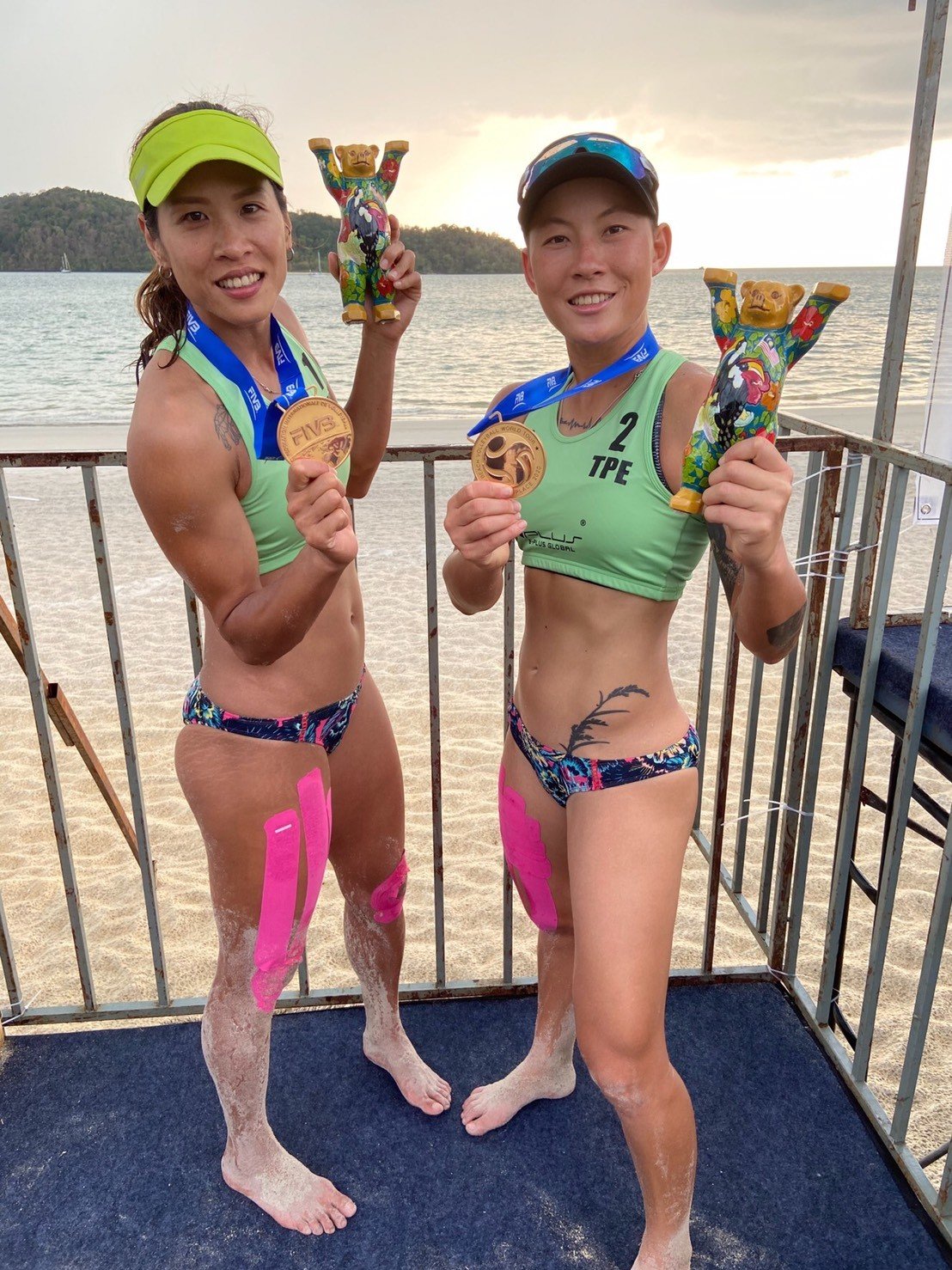
Nai-Han Ku with partner Bi-Xin Liu (Photo courtesy of Nai-Han Ku)
Fans were especially surprised and delighted when Ku made a comeback in 2020. With her team, Top Speed Volley short on players, she didn’t hesitate to put on her jersey again. For Ku, it seems like her passion for volleyball has never once wavered.
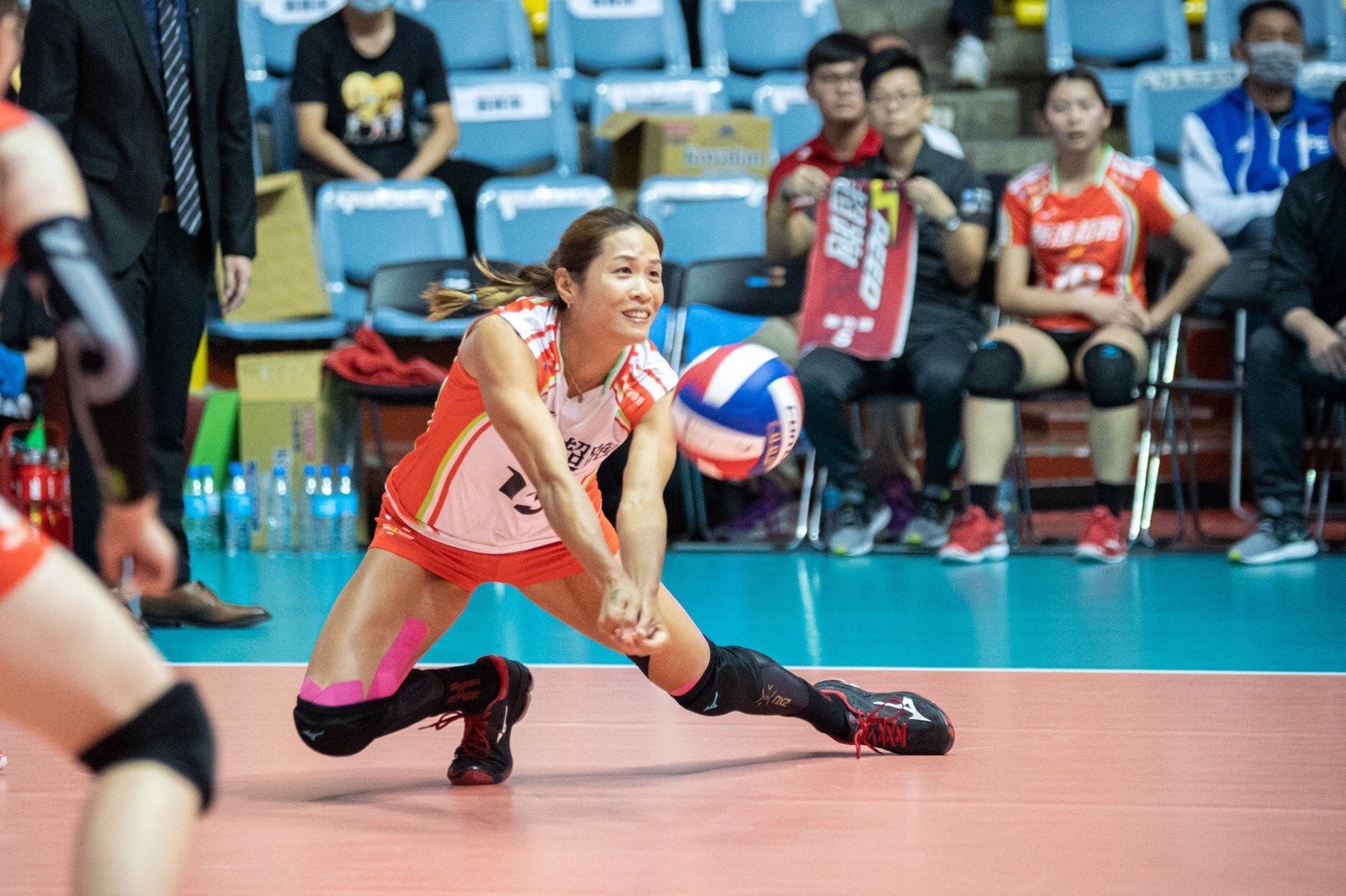 Ku back on court with Top Speed Volley (Photo courtesy of Nai-Han Ku)
Off the court, Ku carries a calm and humble presence—quite a contrast to the fierce precision she displays during matches. After retiring from indoor volleyball, she became a certified full-time PE teacher. Around the same time, an opportunity arose for her to try beach volleyball. Intrigued, she gave it a shot. Just a month of intensive training later, she was already competing and winning on the Asian Tour. Reflecting on her early success, Ku credits her partner, seasoned veteran Hui-Min Zhang, and strong coaching support: “Zhang had an all-around skill set, and our coach helped fine-tune our game. That’s what made those results possible.”

In beach volleyball, all-around skill is essential (Photo courtesy of Nai-Han Ku)
Though both fall under the umbrella of volleyball, indoor and beach volleyball differ dramatically. Indoor teams consist of six players, each with specific roles like setter, libero, or spiker, whereas beach volleyball is a 2-player game, requiring each athlete to be well-rounded in all techniques.
Ku explains: “In beach volleyball, you need to be able to serve, set, dig, block, and attack, everything. You’re constantly touching the ball, so technical precision and team chemistry are critical. That’s what makes it more challenging and more addictive!”
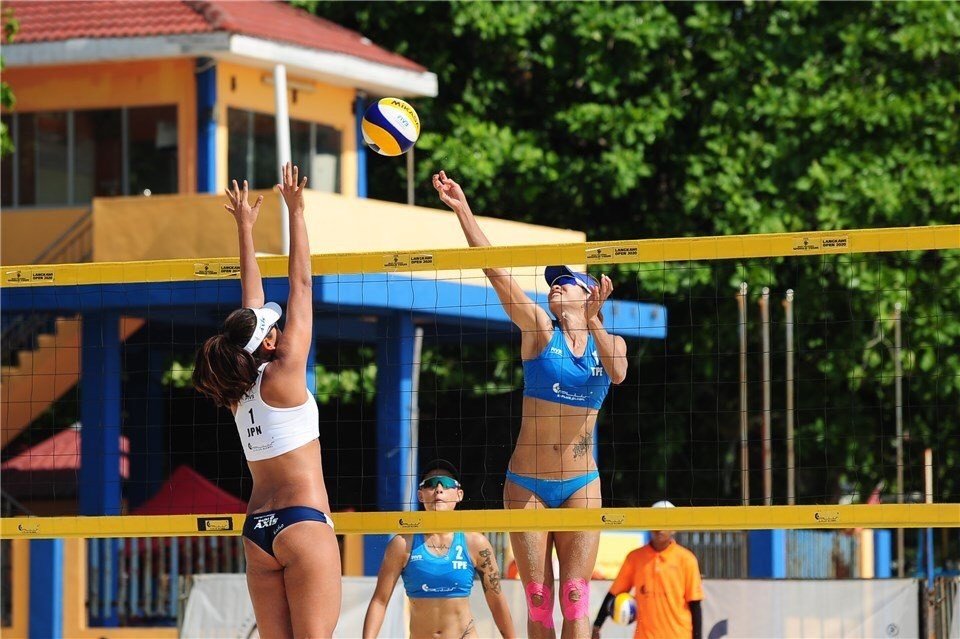
Beach volleyball is a great way to show your ability in terms of physical fitness and skills because you are always in contact with the ball.
(Source: Courtesy of Nancy Koo)
She credits her smooth transition to the solid fundamentals she built during her years of indoor training. “If you understand the logic behind receiving and serving, everything else falls into place.” As a coach herself now, she advises student-athletes to start with indoor volleyball to develop core skills before transitioning to beach volleyball. “Otherwise, if your foundation isn’t solid, learning both at the same time just means starting from zero twice.”
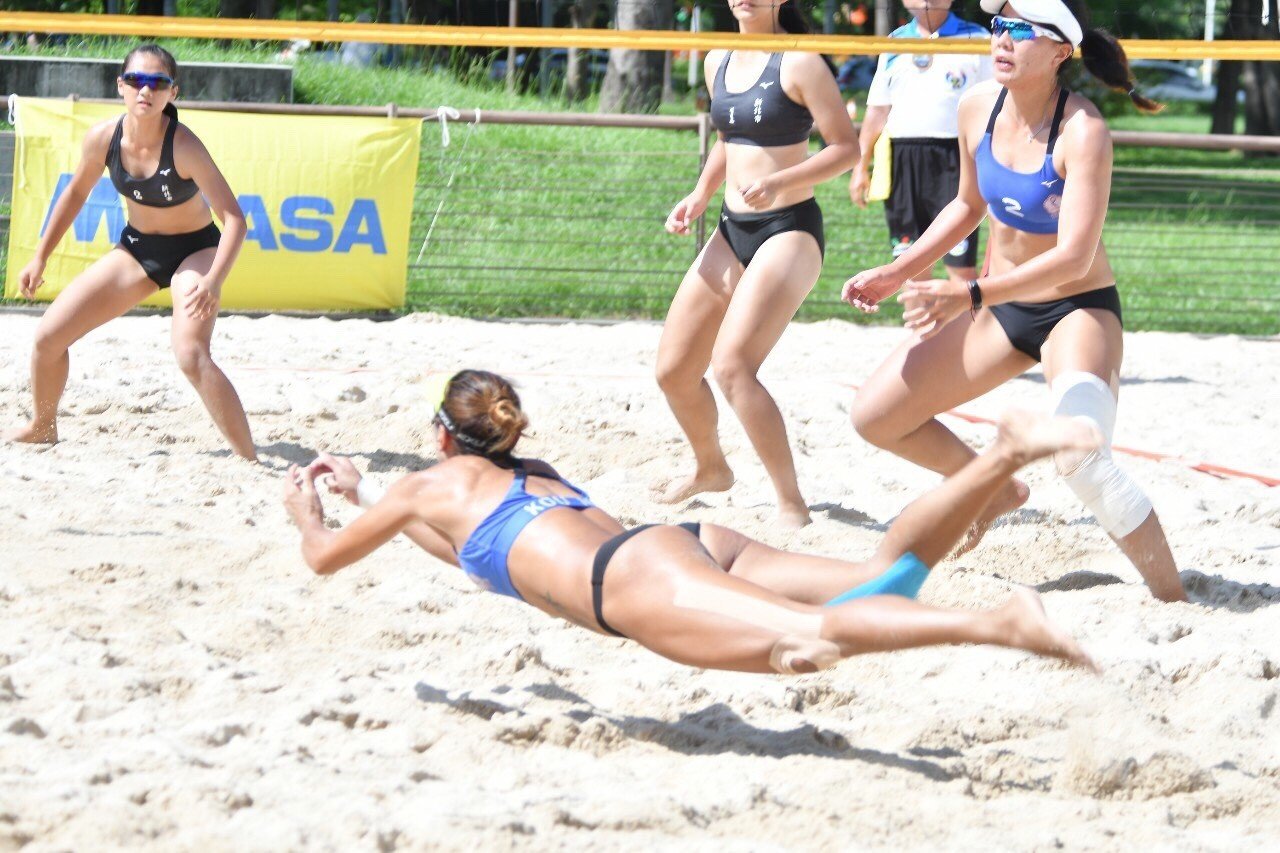 Both beach volleyball and indoor volleyball require the mastery of the fundamentals in order to be able to integrate them.
(Source: Courtesy of Nancy Koo)
Now a PE teacher who still competes in beach volleyball, Ku admits the dual role can be demanding. “I truly enjoy beach volleyball, so I wanted to keep going—but I do feel a little guilty toward my school and students,” she laughs. Training with a partner also requires building chemistry. “Your partner is like your coach,” Ku says. During training camps, teammates spend extensive time together, not just practicing but learning how to think and respond as one.
“We complement each other’s personalities. You can’t both be super high-energy all the time. The best is when just a glance tells you exactly what your partner is thinking.”
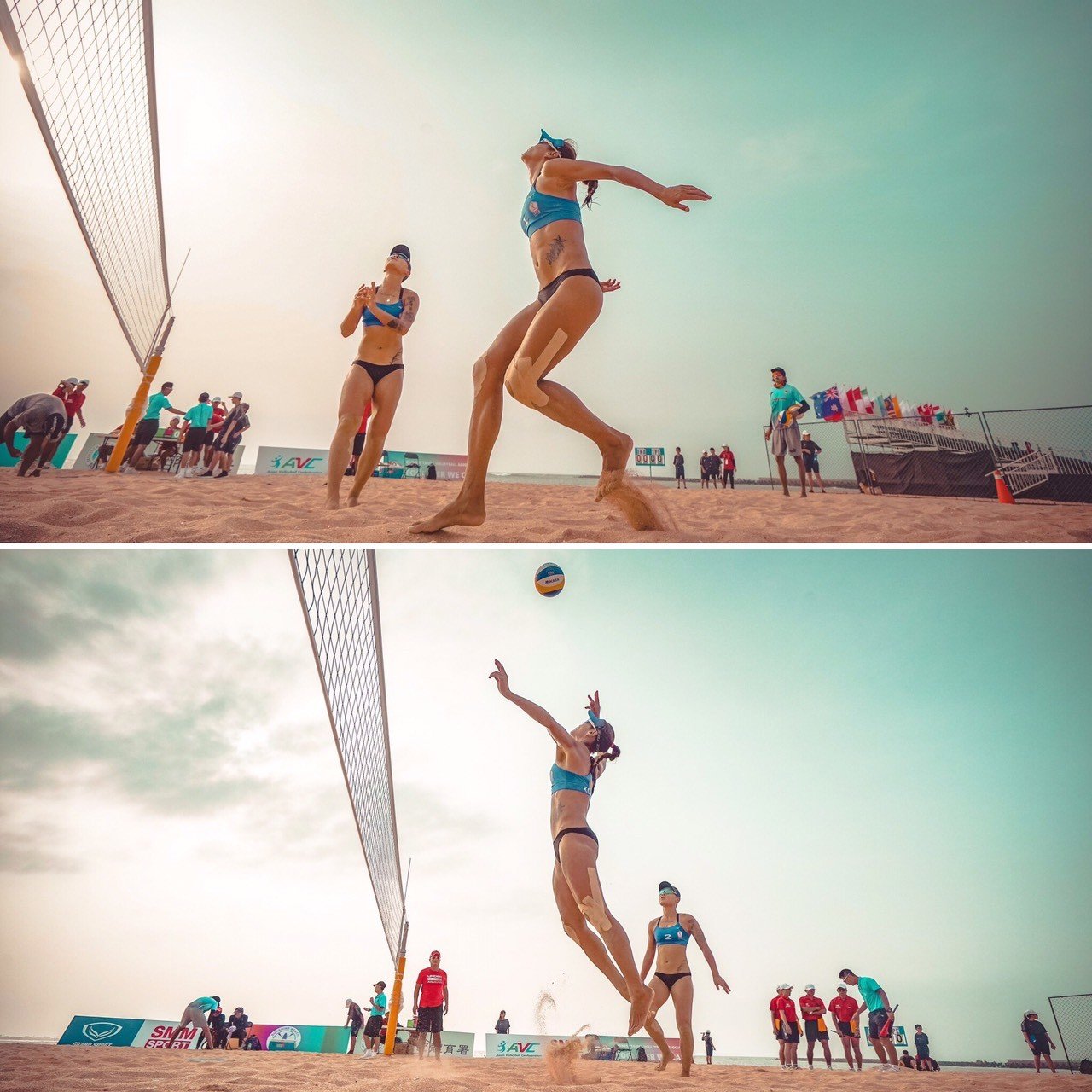
Beach volleyball partners must develop deep, intuitive teamwork.
(Source: Courtesy of Nancy Koo)
In Taiwan, indoor volleyball remains the dominant discipline, and most people are unfamiliar with beach volleyball’s rules or events. With only one major competition per year locally, aspiring beach players often find themselves with limited platforms to showcase their talent. In contrast, Ku notes that in countries where beach volleyball is more popular, the training infrastructure is vastly more developed. “In Taiwan, we usually have just one coach during practice. But in places where the sport is taken seriously, there are multiple coaches, strength trainers, therapists—you name it. The support is no less than what you’d see for an indoor team.” She’s observed that in countries like Japan and China, athletes typically specialize in beach volleyball starting in university. But in Thailand, kids start as early as elementary or middle school, giving them a strong early foundation.
Nai-Han Ku’s journey—from indoor volleyball to beach volleyball champion, from athlete to educator—is the epitome of the modern “cross-disciplinary” career path. She has taken her core skills and seamlessly adapted them across different platforms, building a unique and inspiring career. “Stay ready, and you won’t fear any challenge.” With her relentless passion for the game and a mindset that refuses to be boxed in, Ku is a shining example of how to turn talent into long-term impact.

Ku back on court with Top Speed Volley (Photo courtesy of Nai-Han Ku)
For more information about the volleyball tournament, please click on the following links::
Volleyball Association of the Republic of China
Speedway Girls Volleyball Team