
 0
0


- Home
- UNI-MAGAZINE
- Sports Culture
- Beyond “Attitude”: How the Hsinchu JKO Lioneers Sparked a New Basketball Craze
Beyond “Attitude”: How the Hsinchu JKO Lioneers Sparked a New Basketball Craze
In the latter half of 2020, as Taiwan's professional basketball scene welcomed a new league, a fresh team emerged: the Hsinchu JKO Lioneers. The team name caught fans’ attention immediately—not only because it came from a beloved Taiwanese basketball comic Slam Dunk Otaku, but also for its clever wordplay on “engineers,” a nod to Hsinchu’s reputation as a tech hub. From the very beginning, the Lioneers rooted themselves in local culture and identity. Backed by long-time sports marketing powerhouse Bro Sports Marketing and with well-known analyst Kenny Kao as GM, the team quickly became the center of attention. Their rise evoked memories of the early SBL era, when the Taipei Beer "Attitude" campaign swept the nation and became a cultural phenomenon.
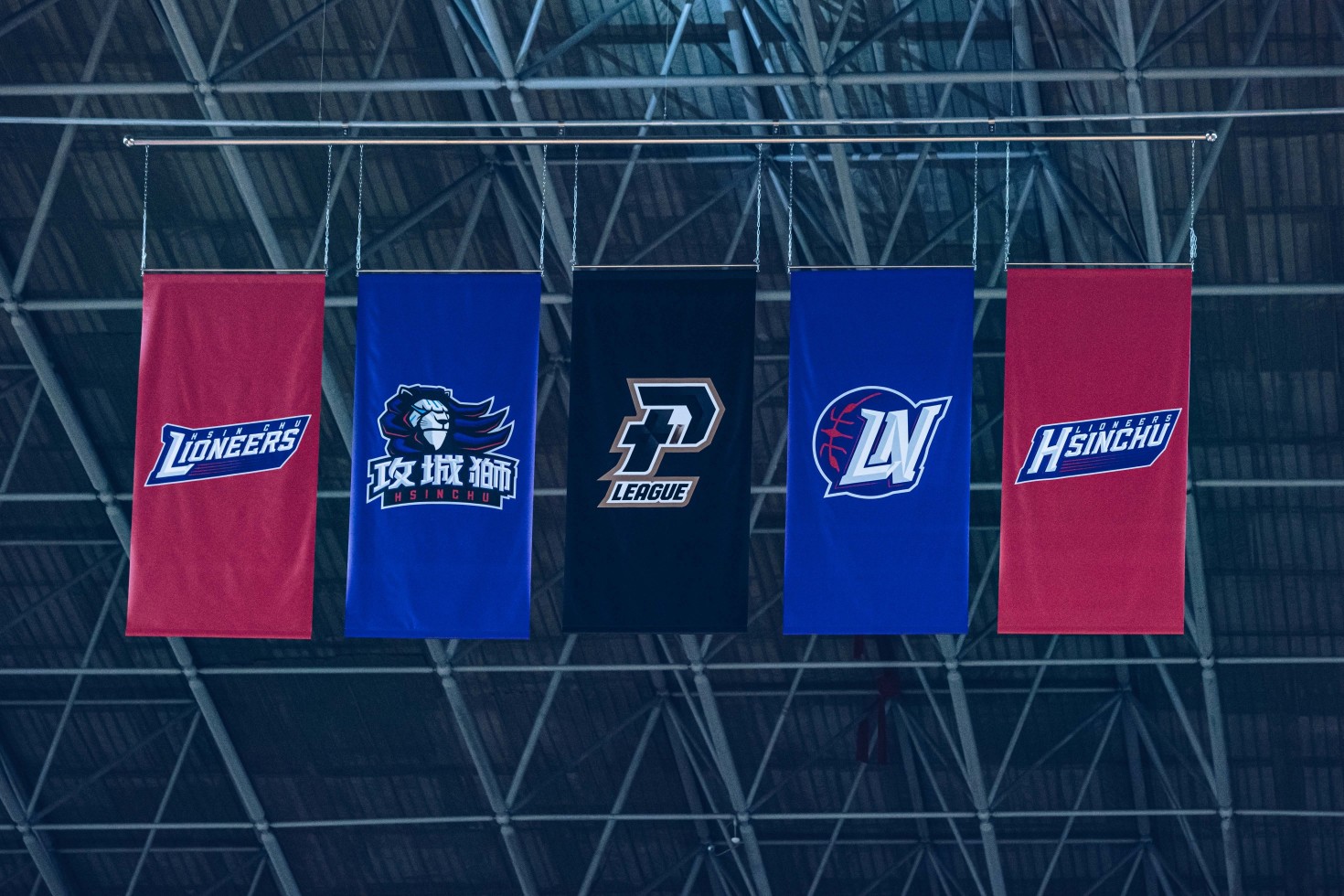
Now, purple replaced green, and a new wave of passion rolled through Taiwanese basketball. So what exactly did the Lioneers do right?
Made Our Own Stars
Take a look at the Lioneers’ original roster, and you might not see many “household names”:
Wu Dai-Hao (Captain), Cheng Li-Huan (Vice Captain), Pan Kuan-Han, Hsiao Shun-Yi, Cheng Wei, Lin Ming-Yi, Kao Kuo-Hao, Sung Yu-Hsuan, Chen Chien-En, Lin Li-Jen, Lee Chia-Jui, Tsai Chien-Yu, Tien Hao, Lu Che-Yi, and Jung I-Shen.
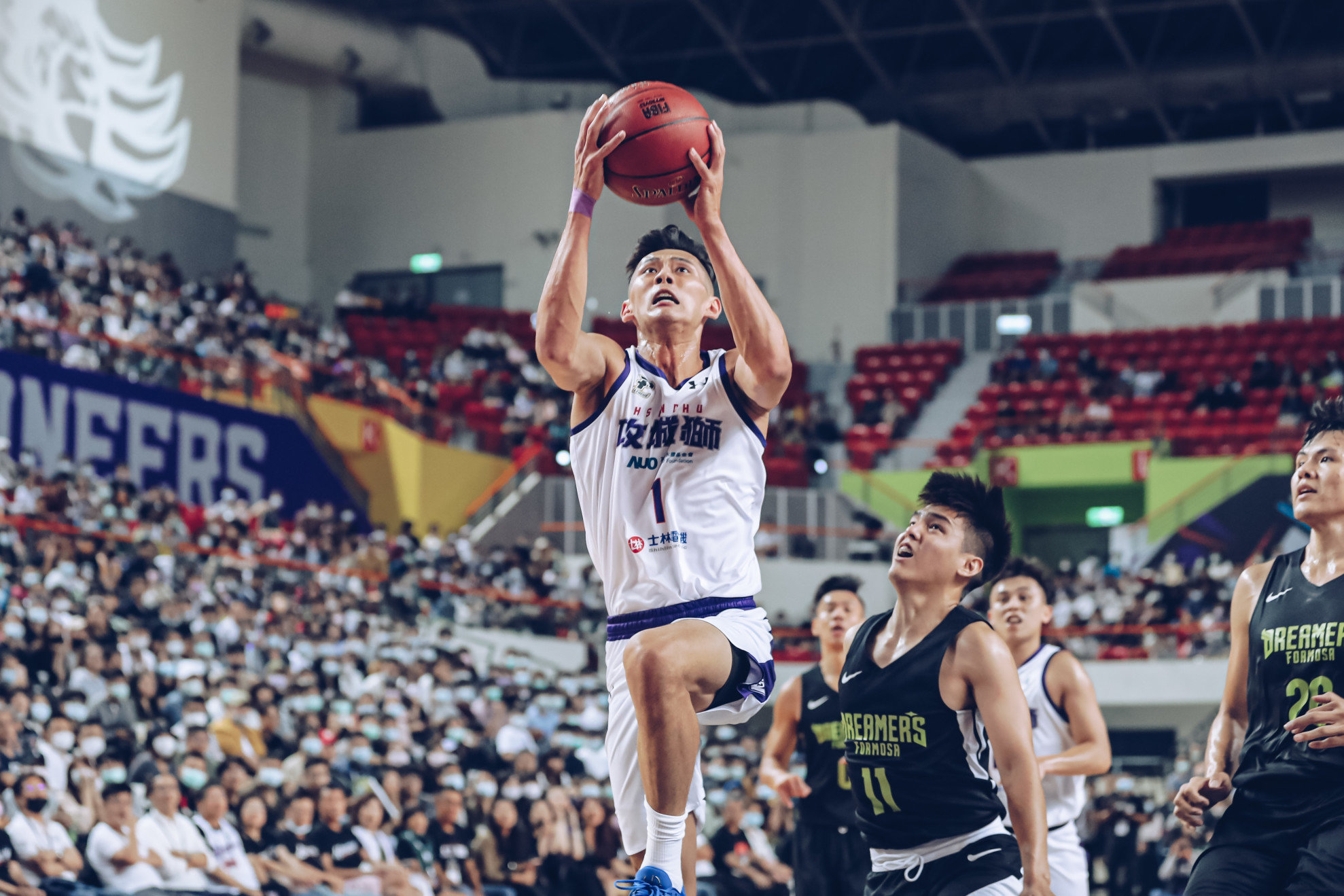
Other than veterans like Wu Dai-Hao—a member of Taiwan’s "Golden Generation"—and Cheng Li-Huan, who made the national team as a walk-on, the rest of the roster was largely made up of former SBL players still searching for a breakout moment. While talented, they didn’t carry big fan bases. The new PLG league’s uncertain future also made it hard to attract high-profile names. So what did the Lioneers do? They bet big on the future.
Tapping the Power of the Next Generation
If there weren’t enough stars, the Lioneers decided to create them. Instead of focusing solely on experienced professionals, the team brought in popular young players who had built reputations through Taiwan’s high school (HBL) and college (UBA) systems. These were names that already resonated with younger fans thanks to media exposure and a strong social media presence. Chief among them was Kao Kuo-Hao, dubbed "Taiwan’s strongest high school player," a graduate of powerhouse Songshan High School. Alongside him came Tien Hao, a fan favorite from National Chengchi University. Though unproven at the pro level, their popularity brought immediate attention—and followers—to the team. It was a risk in terms of performance, but from a branding and commercial standpoint, it paid off.
The "Purple Craze": A Social Media Masterclass
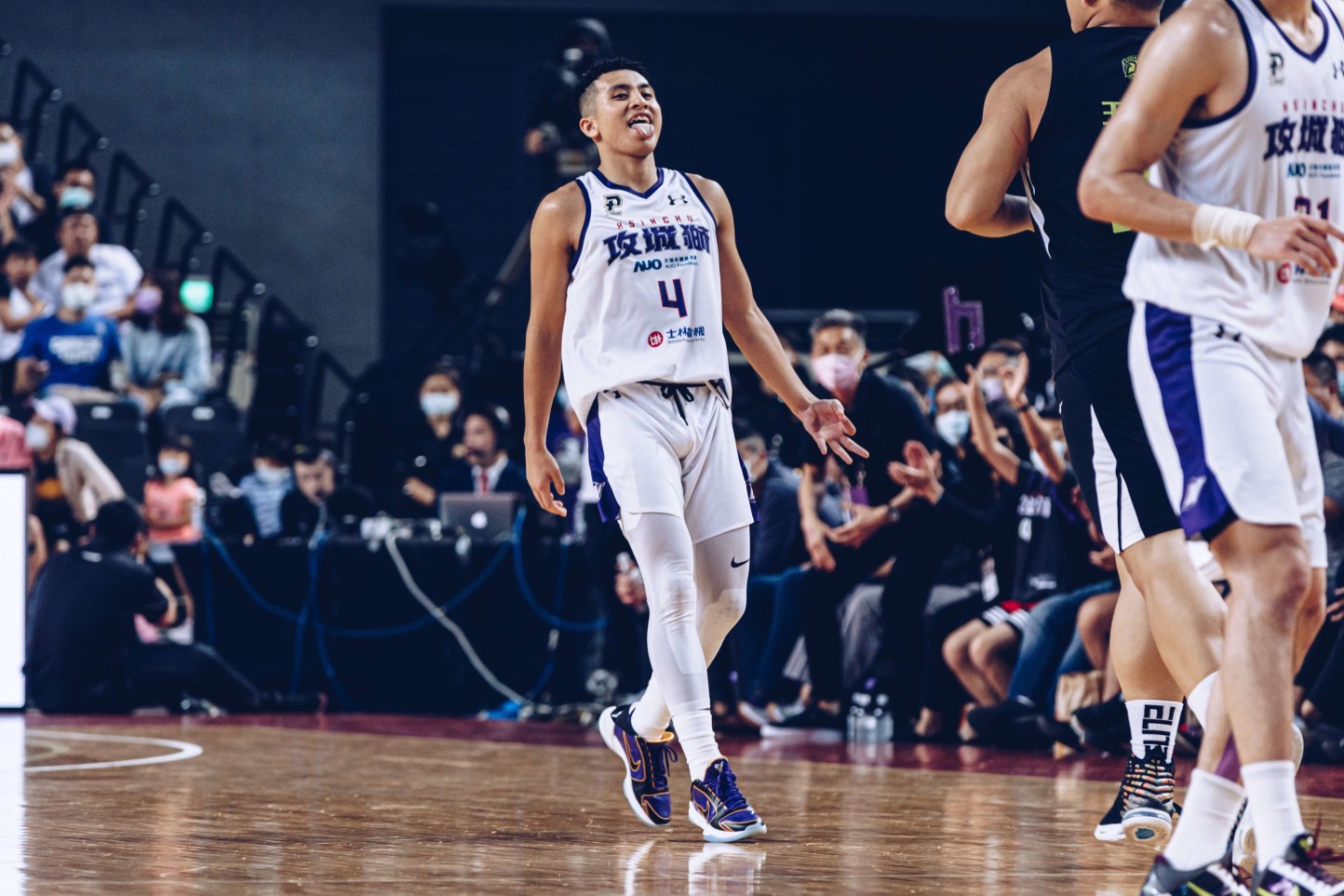
The Lioneers weren’t just building a basketball team—they were building a lifestyle brand for a new generation. From day one, they embraced the platforms where younger audiences live: Instagram, Facebook, and YouTube. But it wasn’t just presence—it was personality. While other teams often shared stiff, formal content, the Lioneers kept things fun, relatable, and interactive. Everything became content: player birthdays, behind-the-scenes videos, locker room jokes.
Most importantly, they interacted with fans. Comments were answered. Memes were made. Fans didn’t feel like spectators—they felt like part of the movement. This intimacy turned support into loyalty, and loyalty into identity. For many fans, the Lioneers weren’t just a team—they were a belief. And when a team becomes a belief, results become secondary. Wins and losses still matter, of course, but what fans truly care about is the journey they’re on together.
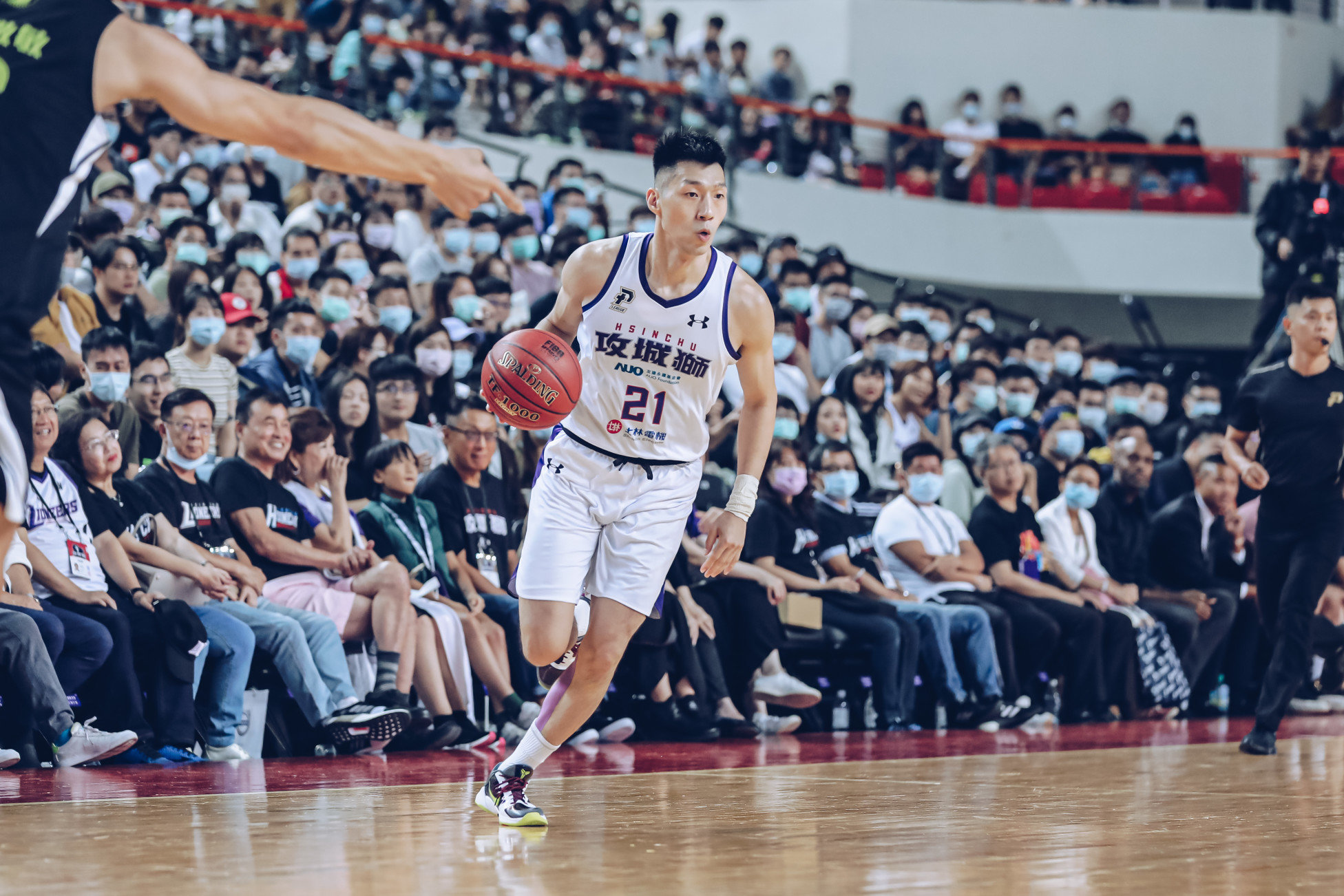
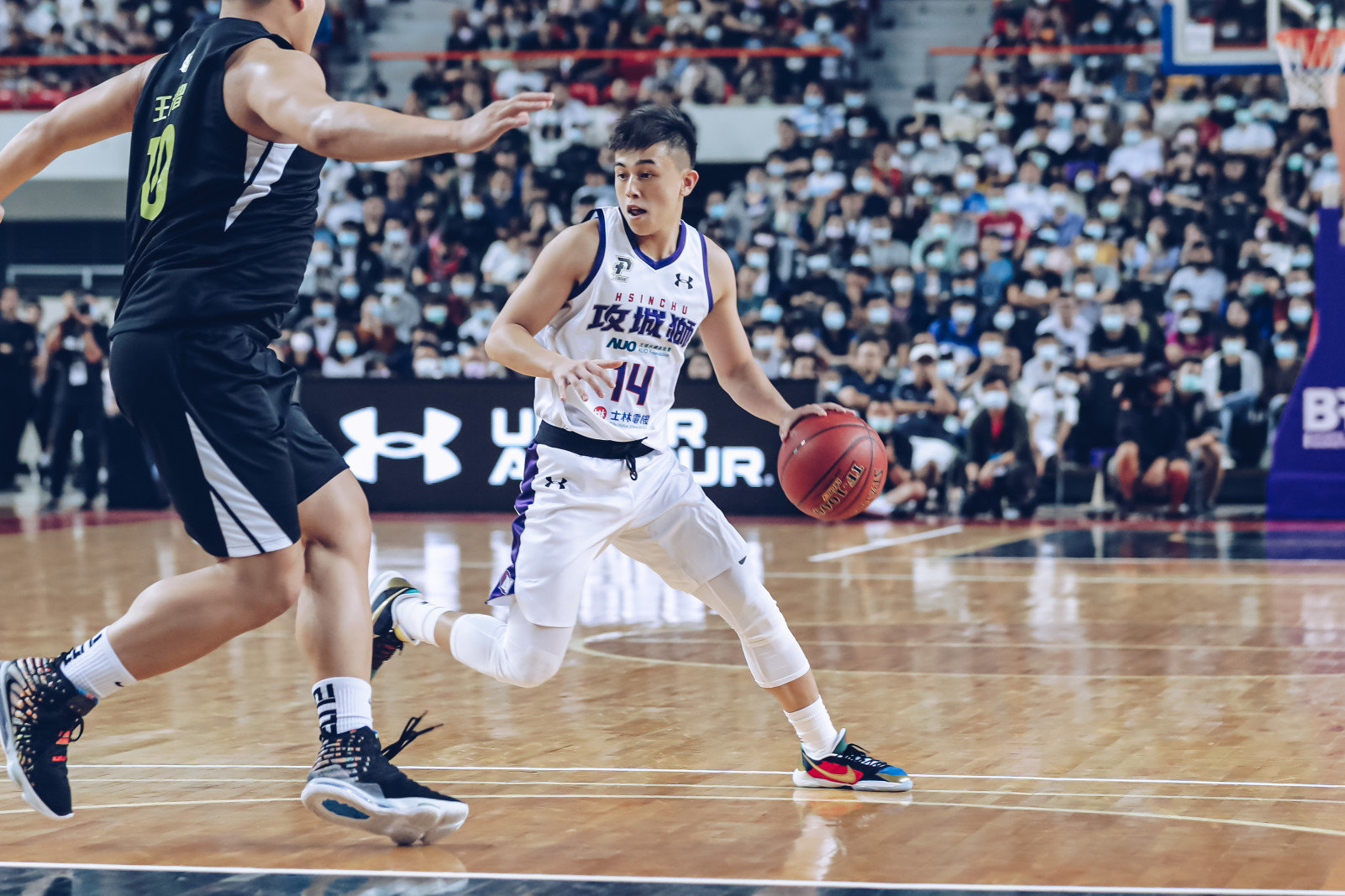
Let’s be clear: the Lioneers didn’t start with the most stacked roster. But with a creative media strategy and a unique team identity, they built a fan base most teams would envy. This success extended beyond branding—players also benefited, building their own influence online, which in turn boosted the team’s reach. It became a 1 + 1 > 2 effect. Good team marketing amplified player brands, and popular players further elevated the team. In their debut season, the Lioneers earned high praise. Why? Because they didn’t obsess over early win-loss records. They prioritized building a conversation, a community, and a commercial model that could sustain growth. In short, it was smart business.
Around the world, professional sports leagues face an unavoidable reality: some teams will be in smaller markets with tighter budgets. The key isn’t always to spend big, but to think smart—and build loyal, long-term fan bases. Taiwan’s sports industry, still in its growth phase, needs this kind of approach: slow, steady, sustainable.
The Hsinchu JKO Lioneers have shown that it’s possible. They’ve proven that in the social media era, culture is currency. That fan-first thinking, creative storytelling, and community-building can be just as valuable as a high-powered offense. They’ve made an unforgettable first impression. Now, the question is—can they keep it going?
Written by Steven

Unistar
Unistar is a premier specialist in dye-sublimation jerseys and custom teamwear in Asia. With over a decade of apparel manufacturing expertise, we specialize in high-end Japanese EPSON digital printing technology and performance fabric R&D. From school club kits and corporate apparel to professional league uniforms, we are committed to providing "one-stop" professional design and in-house production services, ensuring every garment delivers vibrant colors and peak moisture-wicking performance.


Article Classification
Recent Articles
- Coaches Must Keep Learning Even More Than Their Students|Interview with Chiu Wei-Jung, Track and Field Coach of Datong High School, Taipei
- On this boat, there’s no you or me—only us.|Lewis Lin, Founder of Seeker Dragon Boat Club
- How Seung-Ahn Lee turned his life around and helped American Dodgeball take root in Taiwan
- 6 Practical Tips to Avoid Stepping on Thunder, You Can Be a Master of Dressing Too!
- 2026 Guide to the Best Social Sports: What’s the Hype Behind Pickleball, HYROX, Running Crews, and Dodgeball?