
 0
0


- Home
- UNI-MAGAZINE
- Sports Culture
- Master Your Flow Before You Ride the Current — An Exclusive Interview with Taiwan’s Canoe Queen, Liu Yen-Ting
Master Your Flow Before You Ride the Current — An Exclusive Interview with Taiwan’s Canoe Queen, Liu Yen-Ting
It’s said that canoeing traces its roots back to the Inuit, who used skin-covered boats for survival and transport — a tradition that evolved into the modern sport of canoe sprint. Athletes sit in sleek vessels, gliding across wide waters with powerful paddle strokes. This sport isn’t just about strength; it demands exceptional coordination, full-body control, and an almost instinctive connection with water.
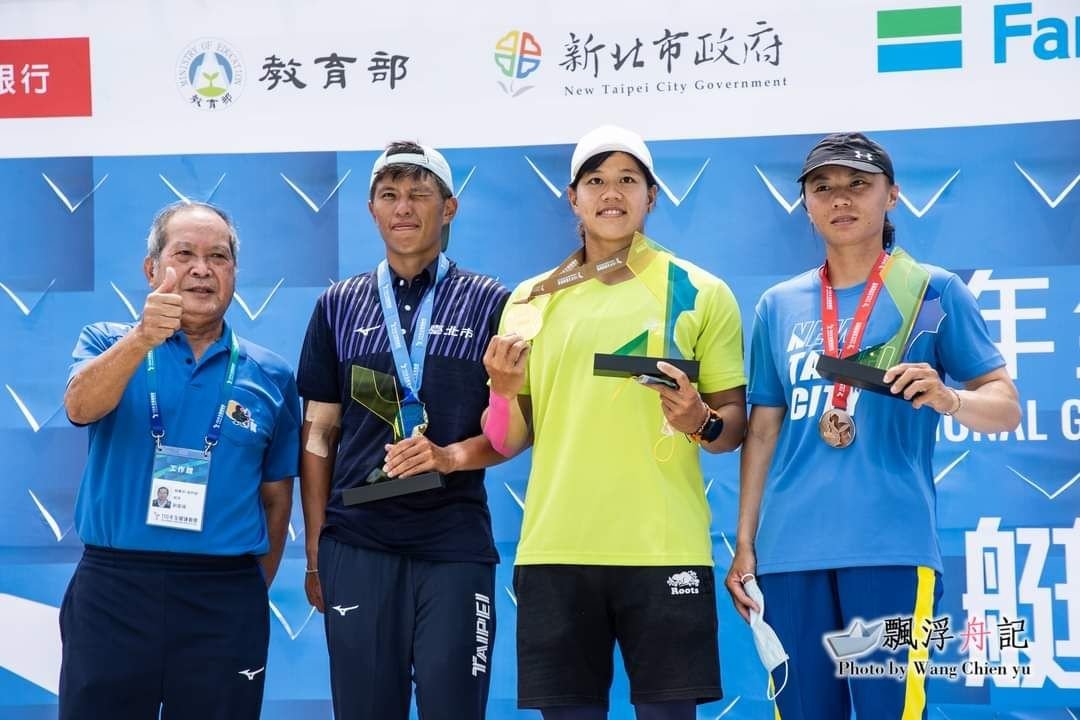
In this edition of Uni-Magazine, we sat down with Liu Yen-Ting, known as Taiwan’s “Canoe Sprint Queen.” She claimed gold at the 2021 National Games in both the 200m and 500m Women’s Kayak Single (K1) races, winning the 200m for a record fourth time.
From Multi-Sport Teen to National Champion
Liu’s medal collection speaks volumes: gold in the 500m in 2015, 2017, and 2021, and silver in 2019. In the 200m, she’s dominated since 2015 — winning four consecutive golds. And yet, when asked how she first got into canoeing, she laughs and admits, “Honestly, before high school, I didn’t even know what canoeing was!” Growing up, Liu was an all-around athlete — first on the track team in elementary school, then the judo team in junior high. When it came time to apply for high school, she aimed for Tucheng High School because it had a judo program. But by then, the school had switched to recruiting for canoe, archery, and rowing. Since applying for the canoe team required passing a basic fitness test, she gave it a shot — and passed. “I didn’t think too much about it at the time,” she says. “I just followed the coach, step by step, and relied on the athletic foundation I already had.”
Canoeing Is More Than Upper Body — It’s Full-Body Coordination
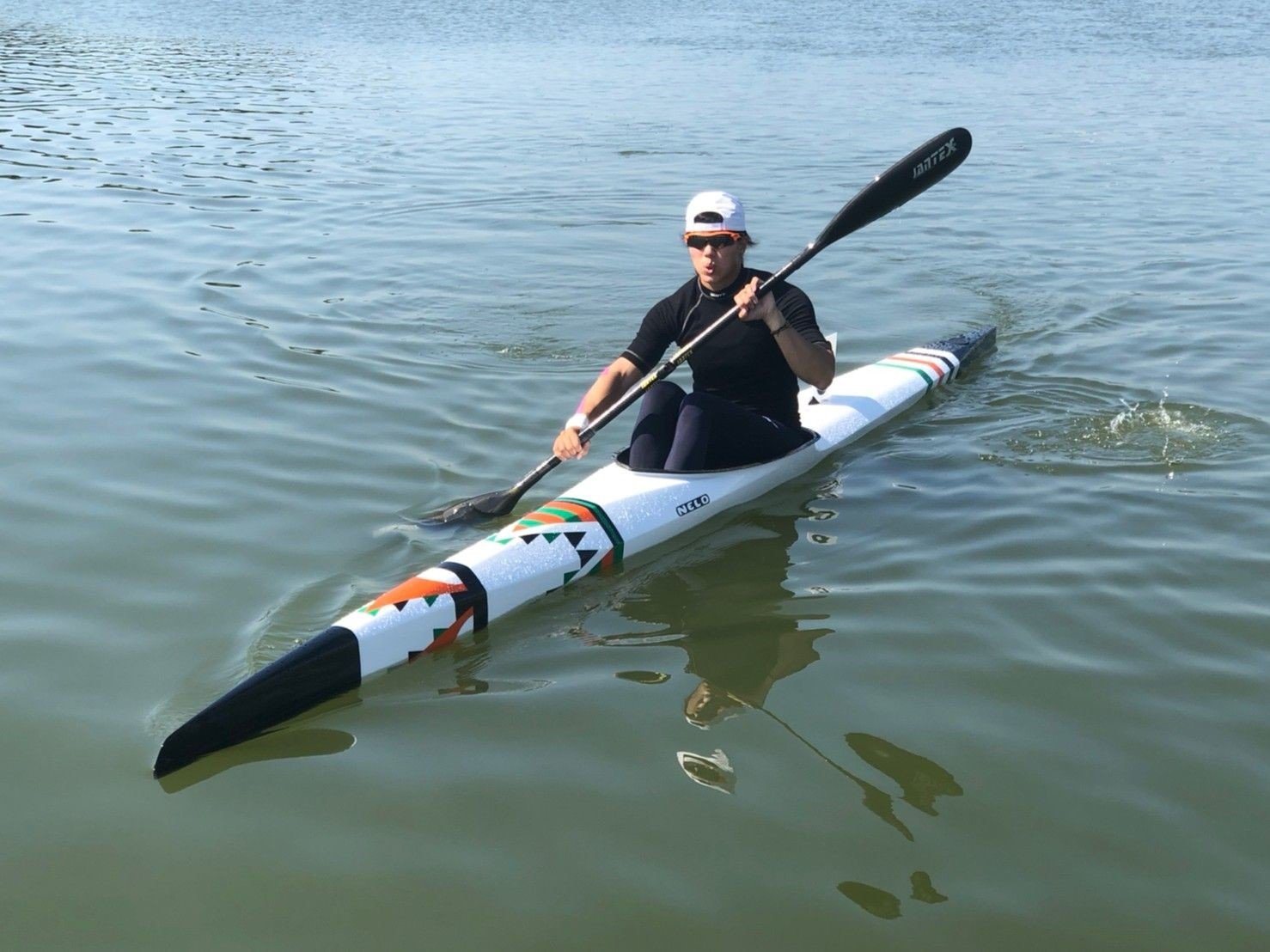
To the untrained eye, canoeing might look like sitting still and paddling with the arms. But Liu quickly debunks that myth: “A proper stroke starts with your lower body. You push off the footboard, transfer the power through your hips, and then link it to your upper body. The power can’t stop at your hips.” Especially in the kayak category, even staying balanced in the boat is a challenge — it can take days just to learn to paddle without flipping over. For Liu, physical coordination is one of the most essential qualities of a good paddler.
Adapting Skills for Different Types of Competitions
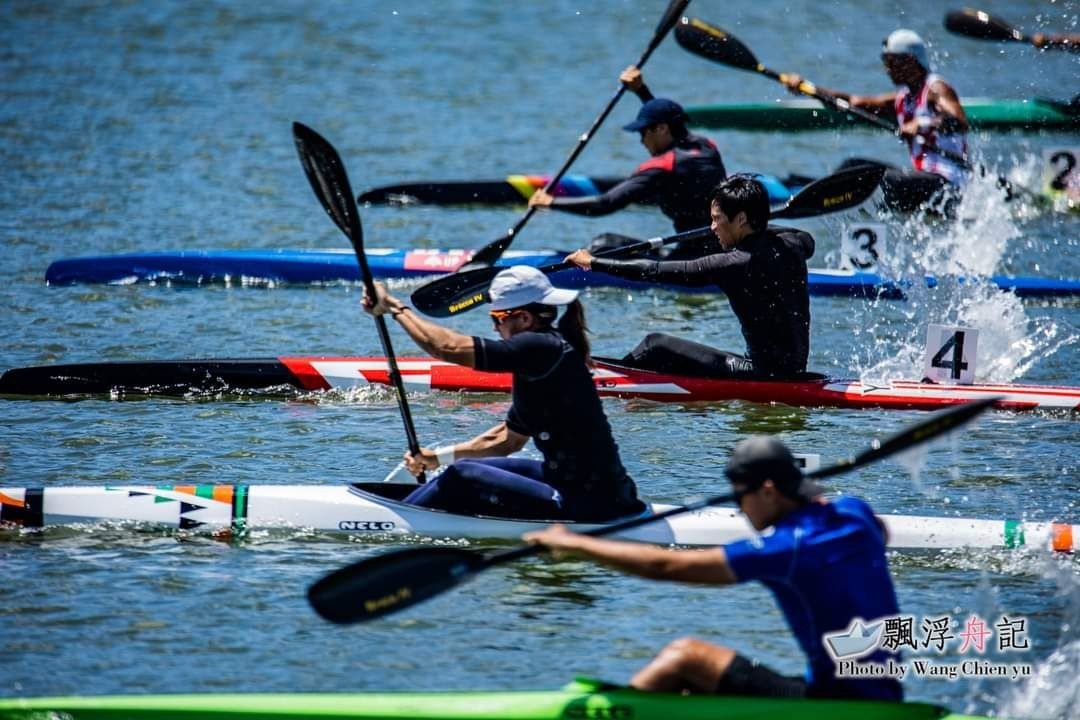
In the 2021 National Games, Liu Yan-Ting clinched gold medals in the Women’s Single Eskimo Kayak 200m and 500m events. She also teamed up with actress Serena Fang to win a silver medal in the recreational category of the “Tainan Mayor’s Cup Flatwater Slalom Championship.” Although both are canoe events, Liu explains that the required techniques are very different.
The National Games focus on sprint races in a straight course, demanding explosive power and strength to reach the finish line as quickly as possible. In contrast, slalom events—whether in flatwater or whitewater—require on-the-spot decisions to adapt to changing water conditions. Athletes must skillfully maneuver through water gates using turning techniques, all while completing required boat-rolling actions in the shortest possible time. Each discipline demands specialized skills. Canoe athletes must adapt to varying water types and environmental conditions like weather and wind to maintain full-body balance. This balance is transformed into powerful forward momentum. Behind the seemingly smooth navigation is the result of tireless practice and dedication.
Training the Body And the Mind
Despite her long list of medals and refined technique, Liu says that mental strength is just as important as physical preparation: “When a canoeist gets nervous, the body stiffens up. That hurts both balance and power.” To manage the psychological pressure of training and competition, Liu not only seeks advice from senior athletes with a background in sports psychology, but also uses visualization techniques: “About a month before a race, I start imagining the feeling of the water, the race environment, and competing against my opponents. I kind of go into a trance,” she laughs. Mental imagery, or visualization training, is widely used by elite athletes. It’s more than just mental rehearsal — it’s a way to boost confidence, simulate tactics, and prepare emotionally for high-stakes competition.
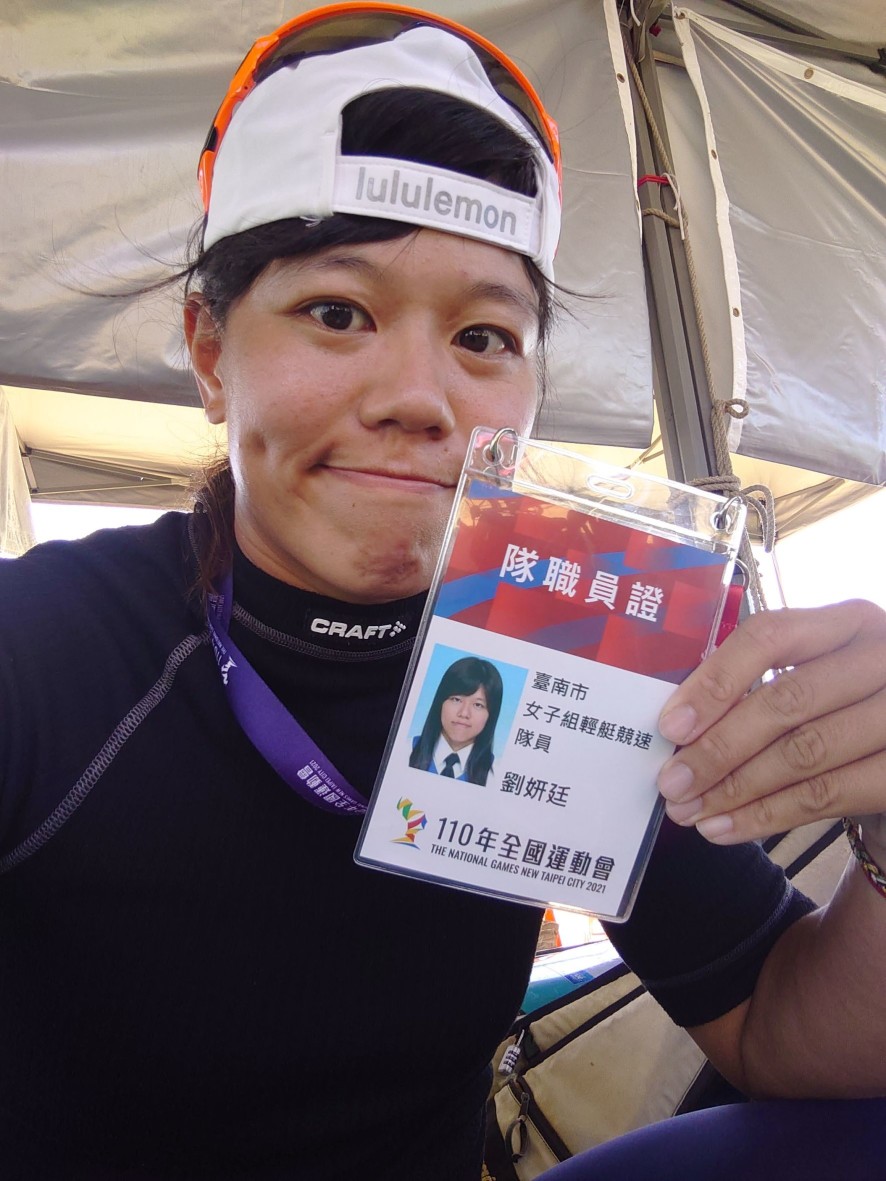
Integrating Athletic Knowledge for More Efficient Training
Liu Yan-Ting is currently a canoeing coach at Tucheng High School. Having been on school sports teams since she was a child, she shared her perspective on student-athletes: “Back then, my family only agreed to let me pursue sports because I promised to take my studies seriously.” But for her, studying isn’t just about textbook knowledge—it’s about internalizing and integrating what she learns into daily practice. “The benefit,” Liu explains, “is that it sharpens your logic. You can better understand what the coach is saying, reflect on what you really need, and communicate it clearly. This shortens the time it takes to improve and helps identify problems quickly.” When she talks about canoeing, Liu naturally reveals that true sports professionalism isn’t just about physical training—it’s about comprehensive integration of skills and mindset. In these small details, you can see her dedication and high standards as an elite athlete.
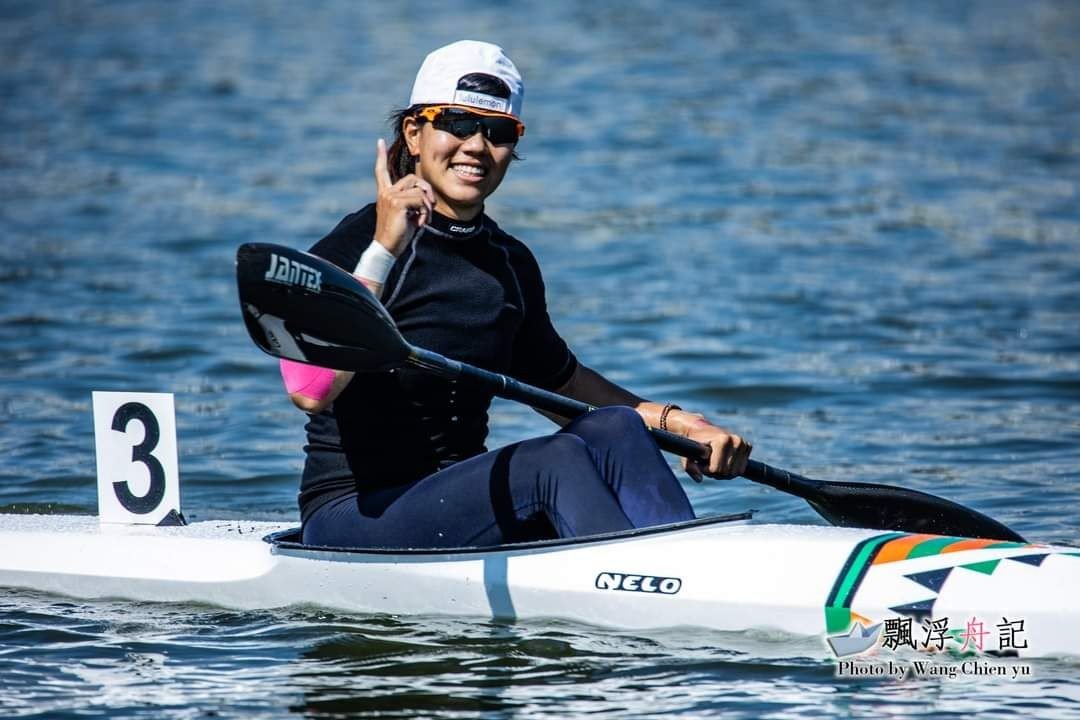
Taiwan has a natural advantage in water resources, yet the development of canoeing still faces hurdles. Access to open waterways is restricted, and canoes can cost upwards of NT$100,000, making it a hard sport to break into. This limits the growth of canoeing nationwide, despite Taiwan’s potential. Still, Liu and other athletes continue to train and compete with passion. Their efforts not only deserve recognition but may also inspire others to try, despite the odds. In canoeing — just like in life — it takes stability before speed. You must master your own balance before you can ride the current forward. With athletes like Liu Yen-Ting leading the way, we look forward to seeing Taiwan’s canoeing scene make even greater waves.
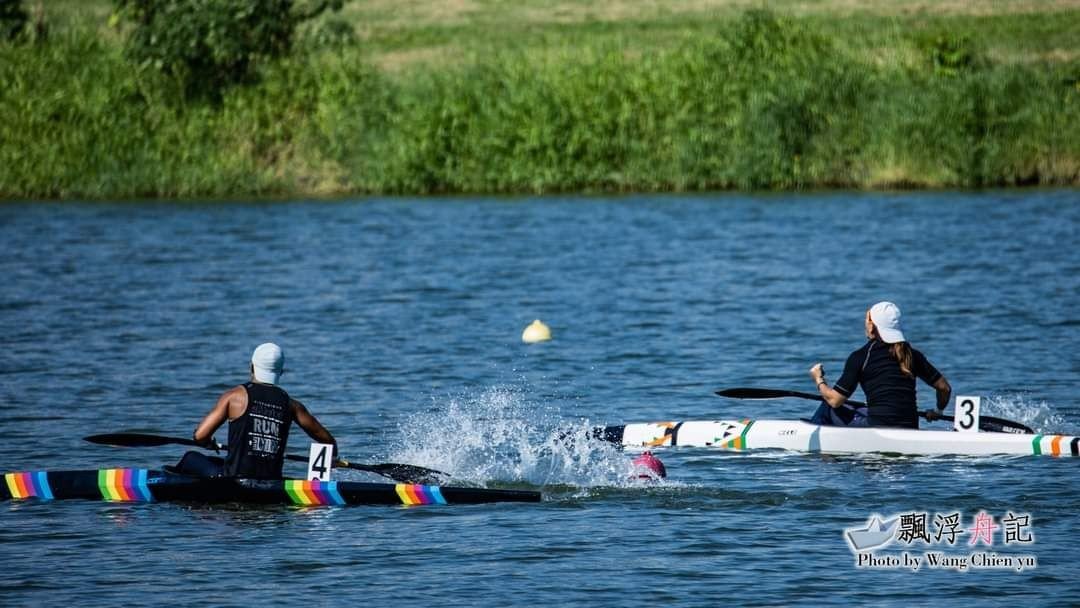
Photo courtesy of LiuYanTing/Siu Mui Time Dragon Boat Team Courtesy of Floating Boat
Unistar
Unistar is a premier specialist in dye-sublimation jerseys and custom teamwear in Asia. With over a decade of apparel manufacturing expertise, we specialize in high-end Japanese EPSON digital printing technology and performance fabric R&D. From school club kits and corporate apparel to professional league uniforms, we are committed to providing "one-stop" professional design and in-house production services, ensuring every garment delivers vibrant colors and peak moisture-wicking performance.


Article Classification
Recent Articles
- Coaches Must Keep Learning Even More Than Their Students|Interview with Chiu Wei-Jung, Track and Field Coach of Datong High School, Taipei
- On this boat, there’s no you or me—only us.|Lewis Lin, Founder of Seeker Dragon Boat Club
- How Seung-Ahn Lee turned his life around and helped American Dodgeball take root in Taiwan
- 6 Practical Tips to Avoid Stepping on Thunder, You Can Be a Master of Dressing Too!
- 2026 Guide to the Best Social Sports: What’s the Hype Behind Pickleball, HYROX, Running Crews, and Dodgeball?