
 0
0


- Home
- UNI-MAGAZINE
- Sports Culture
- andball History & Rules: From European Roots to TW/HK Developments | Unistar
andball History & Rules: From European Roots to TW/HK Developments | Unistar
1. The History and Origins of Handball
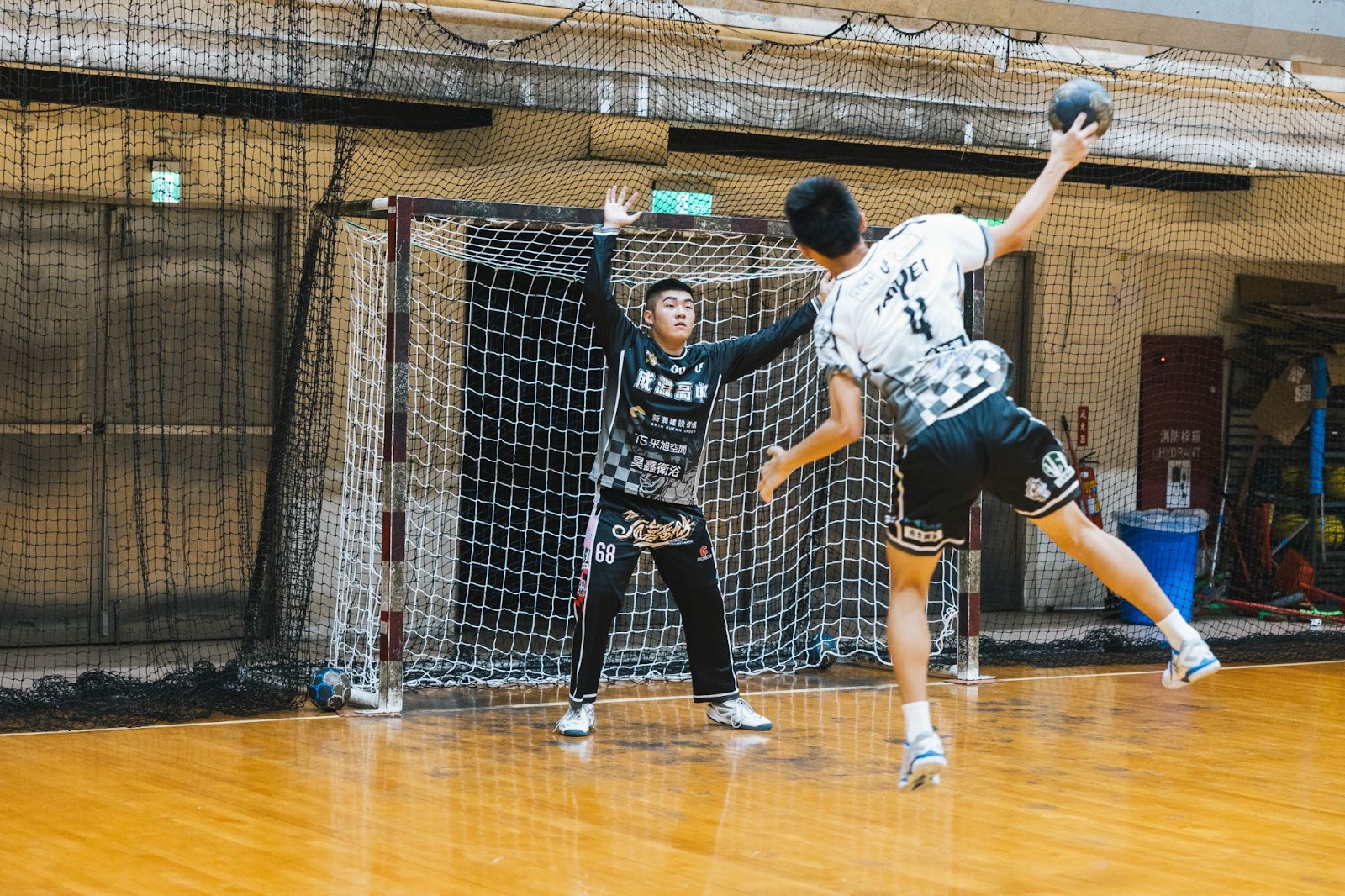
Handball originated in the late 19th century in Northern Europe and Germany as an outdoor alternative to football.
-
Evolution: Modern rules were established in 1917 by Karl Schelenz. The sport made its Olympic debut as an 11-a-side outdoor game in Berlin 1936.
-
Olympic Status: Since the Munich 1972 Olympics, the indoor 7-a-side version has been a staple, with the women’s category added in 1976.
2. Handball in Taiwan and Hong Kong
While not as mainstream as basketball, handball maintains a strong, dedicated presence in both regions:
-
Taiwan Status: Taiwan excels at the youth level (U18/U21), with schools like Dajia Senior High being traditional powerhouses. Taiwan is also a strong competitor in Beach Handball within Asian and World Games.
-
Hong Kong Status: Hong Kong features a highly organized league structure. The national team is a regular participant in the East Asian Games and Asian Championships, supported by a robust community ranging from school competitions to the Division 1 League.
3. Core Rules: A Quick Guide
-
Players & Court: 7 players per team on a 40x20m court.
-
Ball Control: Maximum of 3 steps and 3 seconds holding the ball. No "double dribble" allowed.
-
Passive Play: Referees signal if a team is stalling, forcing a shot within a few passes.
4. Fouls and Discipline: The 2-Minute Suspension
Handball allows physical contact but forbids dangerous plays.
-
Yellow Card: Official Warning.
-
2-Minute Suspension: The team plays one man down for two minutes.
-
Red Card: Immediate disqualification. Three 2-minute suspensions also lead to a Red Card.


Unistar
Unistar is a premier specialist in dye-sublimation jerseys and custom teamwear in Asia. With over a decade of apparel manufacturing expertise, we specialize in high-end Japanese EPSON digital printing technology and performance fabric R&D. From school club kits and corporate apparel to professional league uniforms, we are committed to providing "one-stop" professional design and in-house production services, ensuring every garment delivers vibrant colors and peak moisture-wicking performance.

