
 0
0


- Home
- UNI-MAGAZINE
- Sports Culture
- Promoting Water Sports in His Own Way—and Letting the World See Taiwan: An Interview with Canoe Sprint Athlete Lai Kuan-Chieh
Promoting Water Sports in His Own Way—and Letting the World See Taiwan: An Interview with Canoe Sprint Athlete Lai Kuan-Chieh
Taiwan is an island nation, yet canoeing remains relatively unknown to most. But one bright and passionate young man is making waves—quite literally. Step by step, stroke by stroke, he’s promoting water sports in Taiwan and using his performance to make Taiwan seen on the global stage.
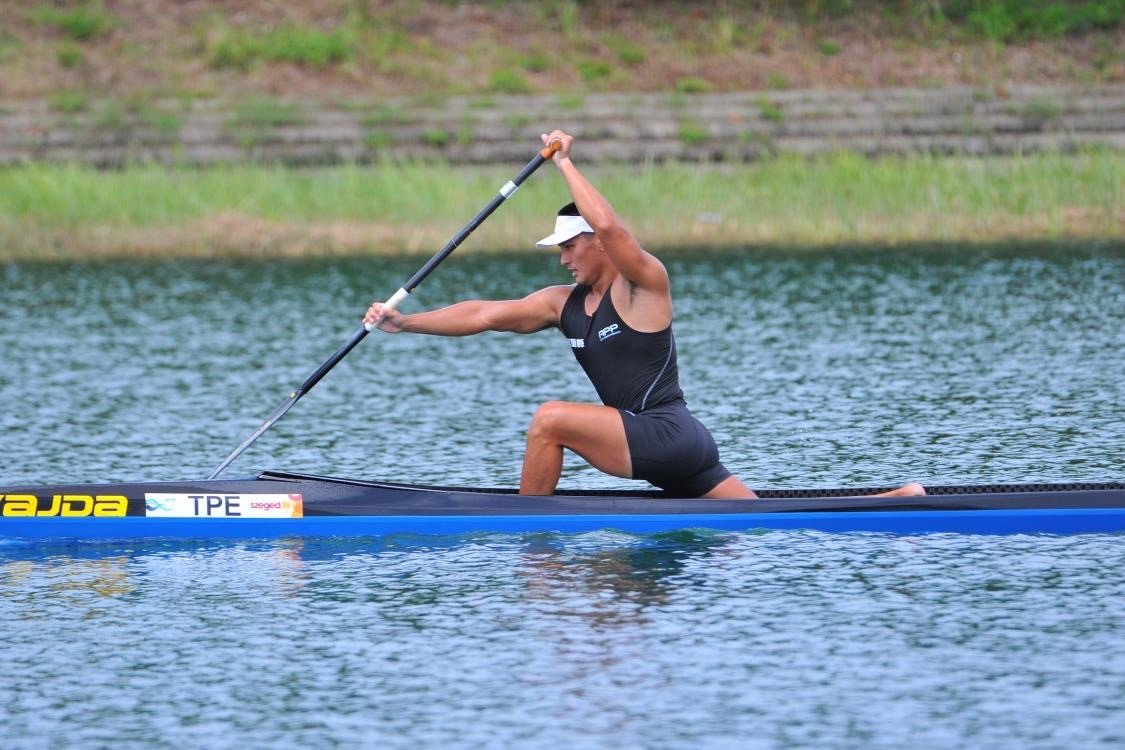
Lai Kuan-Chieh is the first Taiwanese athlete ever to reach the Final A round of an ICF Canoe Sprint World Cup event, placing 9th at the second leg of the 2019 World Cup Series. In March of this year, he won silver in the C1 500m at the Asian Canoe Sprint Championships in Thailand with a time of 1:52.952.
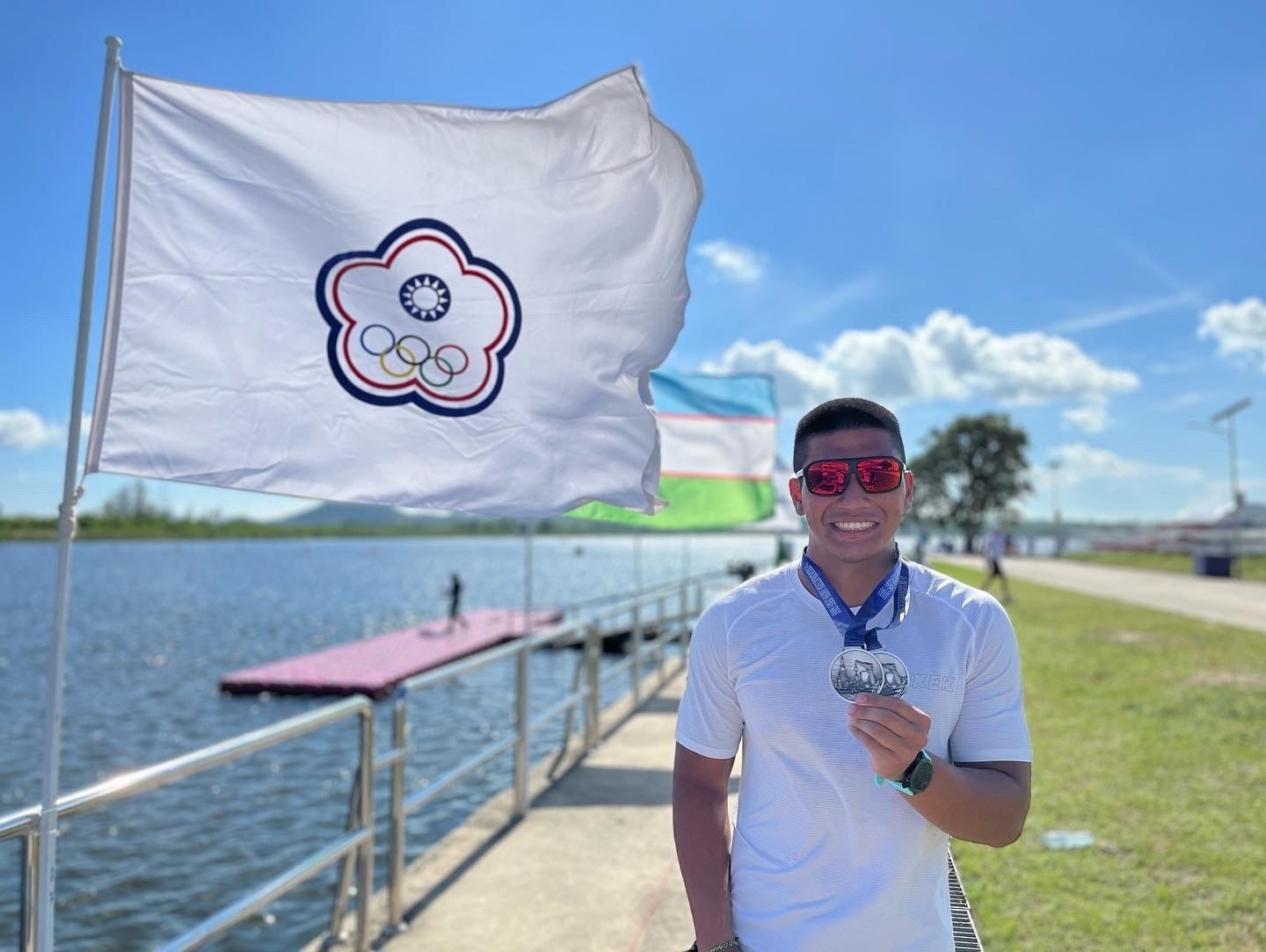
With his sights set on the Olympics, Lai is currently focused on training for the upcoming Asian Games. But qualifying for the Olympics as a Taiwanese canoeist is an uphill battle.How difficult is it to represent Taiwan in the Olympics?
“Only one spot is available for the entire Asian region,” Lai explains. “To earn it, I’ll have to beat top athletes like the Olympic silver medalist from China and the highly skilled paddler from Iran.”
Controlling What He Can Control
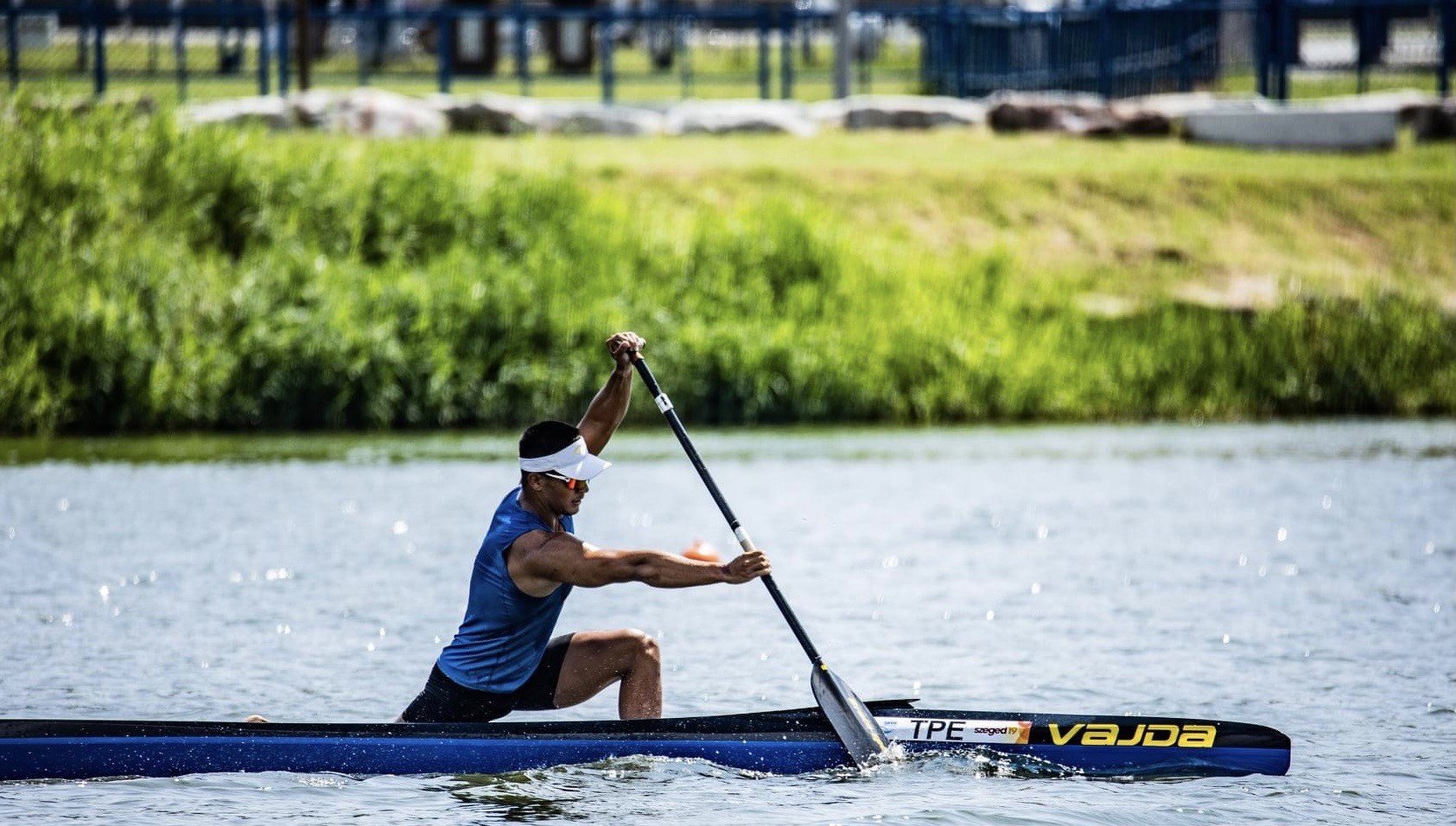
Lai has been training in canoe sprint for 12 years. Surprisingly, his most unforgettable moment wasn’t reaching the Final A, but rather racing against a two-time Olympic gold medalist from Germany in the semifinals.
Most people would be intimidated, but not Lai. “I was excited,” he recalls. “Even after making the finals together, I ran up to him and introduced myself.” His enthusiasm and outgoing nature shine both on and off the water.
Of course, the road hasn’t always been smooth. During the Olympic qualifiers for Tokyo 2020, the 200m sprint—his best event—was removed, forcing him to compete in his weakest: the 1000m.
“I was discouraged,” he admits. “I remembered how past athletes struggled in that event. Taiwan hasn’t been competitive in long-distance canoeing.”But Lai didn’t dwell on fear. Instead, he trained harder, collaborated more closely with his coaches, and focused on what he could control. “I’d be out from dawn to dusk,” he says with a laugh. “Some days I saw the boat and paddle so much I wanted to throw up.”
Like the water he races on, his journey has seen both smooth currents and rough waves. But with a firm grip on his paddle and a strong mindset, Lai never stops striving.
Grateful and Determined Not to Let Anyone Down
They say behind every great man is a great woman. For Lai, the driving force was his late mother.
“I was mischievous and not into studying,” he says. “But she always spoke positively about me to others. Her face would light up when talking about my races.” Her proud smile became his motivation to push through the hard times.Though his growing success has taken him to competitions around the world, Lai never forgets his hometown of Yilan. He also never forgets the disparity in support across regions.
In Taiwan's National Games, local governments provide athlete funding based on resources. Despite winning back-to-back golds, someone once told Lai: “Transfer your residency to Taipei—you’ll get NT$1.5 million for two golds. Yilan only gives you NT$300,000.”
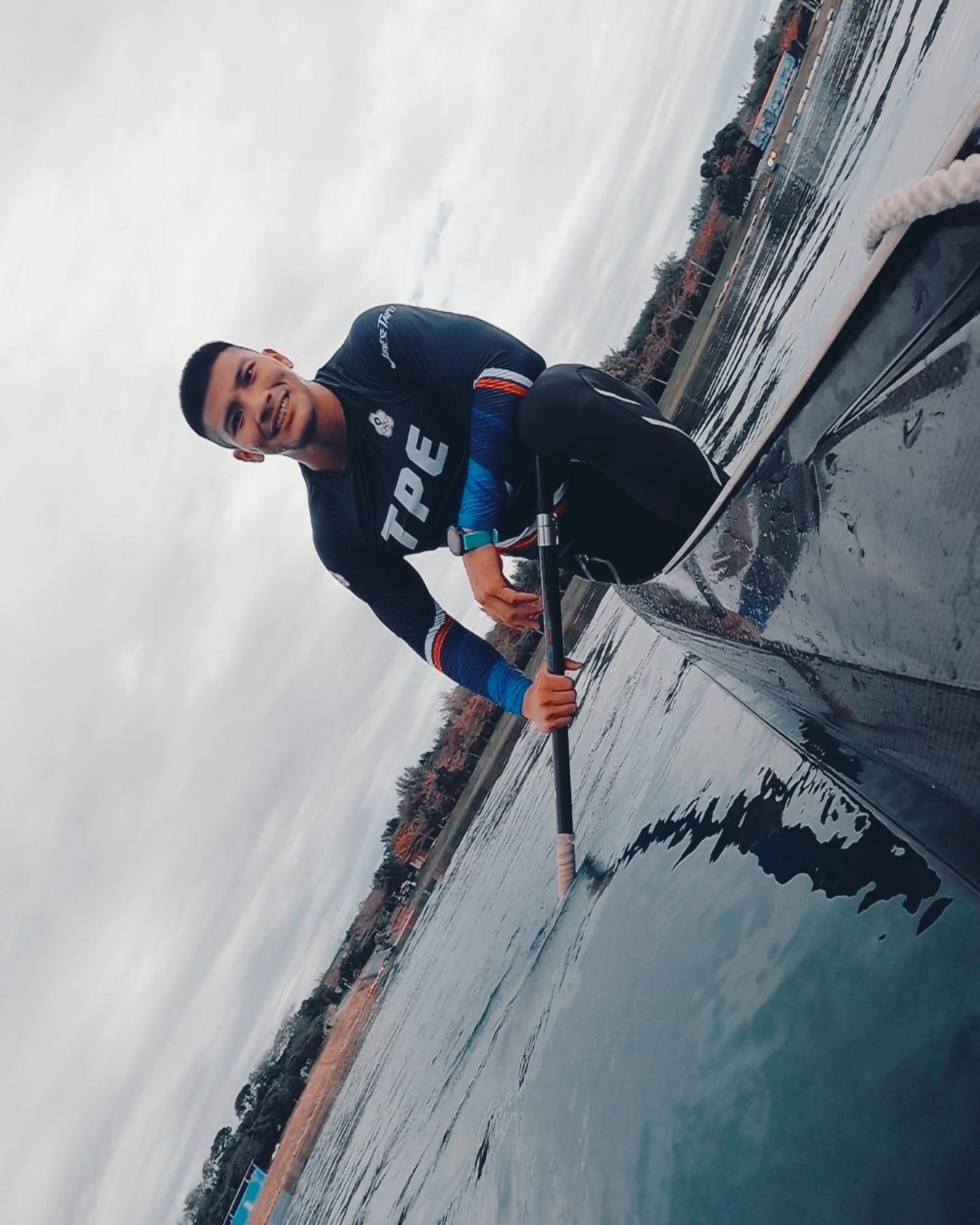
But for Lai, money isn’t everything. “You have to remember your roots. If your environment is lacking, improve it—don’t just abandon it. Otherwise, not only you, but future generations will suffer too.” For Lai, the best way to change things is with results. To prove it with medals. And for an underrepresented sport like canoeing, staying in top form is essential—every competition counts.
With expectations on his shoulders, how does Lai balance the pressure with his joy? “Sport has a harsh, realistic side. I used to be afraid of disappointing people. But now, I’m just grateful I get to do what I love, compete in the events I care about. As long as I’m still in this sport, I’m happy.”
Take every step carefully and do the things you love to the best of your ability. That principle keeps him grounded and mentally strong.
More than a decade in the sport, he’s heard his share of voices telling him to quit. But every time he thinks of the promise he made to his mom before she passed—to be the best in this sport—and of the support he’s received from coaches, teachers, sports associations, and local officials, he finds the strength to push forward.
Giving Back to the Sport That Gave Him Everything
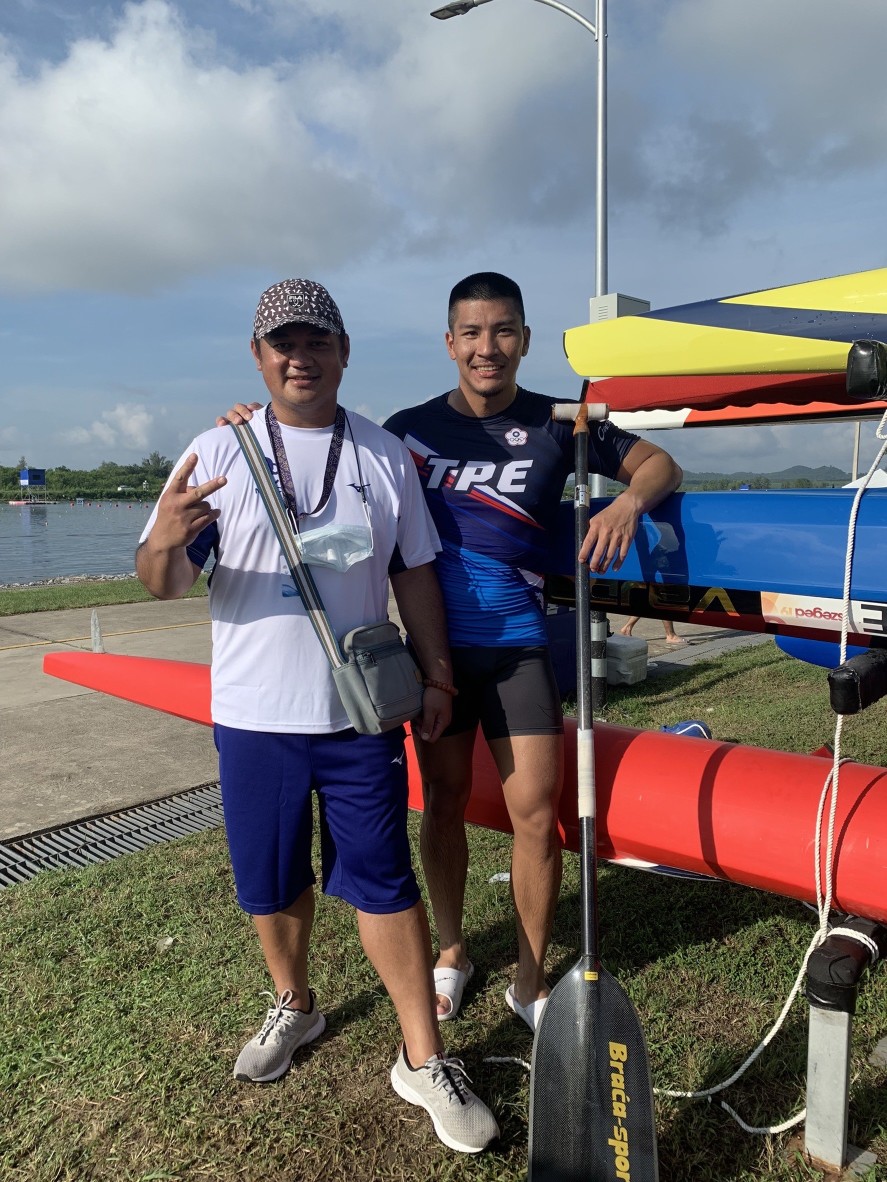
Today, Lai isn’t just an elite athlete; he’s also a mentor. He hopes to pass on the lessons he learned from his coaches, David and Yu Chih-Wei, blending their guidance with his own international experience to help elevate Taiwan’s sports culture.His years in canoeing have taught him perseverance, but also how to trust himself and enjoy the process.
“Some juniors don’t like training but love racing. But if your training isn’t solid, you can’t perform well just by reacting on race day. Without progress, they lose motivation to train—it becomes a vicious cycle.”
“Training allows you to enjoy the race. If you run away because you’re afraid of failing, you’ll never succeed.”
Lai believes the only way forward is to honestly confront your weaknesses. That’s a truth he’s learned through sport, and one he’s eager to pass on.
Lai also emphasizes the importance of education. Reflecting on how he started in canoeing, he laughs: “I was a shot put athlete at first. I noticed the canoe team got to leave class early and arrive late. That seemed cool. A teacher noticed my build and asked if I wanted to try. I wasn’t into studying, so I said yes without hesitation.”He’s aware of the stigma that student-athletes often face in Taiwan’s education system, which traditionally values academics above all else.
“I don’t want future kids to face the same judgment athletes used to get. You don’t have to be an athlete to benefit from sports.” PE, he argues, isn’t just about fitness—it’s about learning to know yourself, to find what excites you, to handle failure, and to search for answers on your own. These are things no textbook can teach.
His vision aligns closely with the five educational goals of the Olympics:Finding joy in striving for excellence. Experiencing fair competition.Respecting self and others.Pursuing excellence.Discovering balance in body, will, and spirit. Maybe education isn’t about how much you know, but how well you rise after you fall—and become a better version of yourself.Lai hopes that when he becomes a coach, his students will grow not just academically or athletically, but as well-rounded individuals with choices and possibilities.
Every Journey Starts with Interest
“I really love this sport,” Lai says, lighting up. “When I’m training, I forget about all the unnecessary worries. I hope canoeing becomes more popular in Taiwan. Europeans and Americans love it—it’s a great leisure activity. Why not here?”
You don’t have to compete. Just try it, and maybe you’ll fall in love with it too.
As Taiwan’s first athlete to make it to the Final A in canoe sprint, Lai Kuan-Chieh dreams of winning a medal at the international level—to honor his late mother and everyone who believed in him. But more than that, he wants to use his paddle and his passion to inspire more people in Taiwan to explore water sports—and to let the world see the heart and spirit of Taiwan.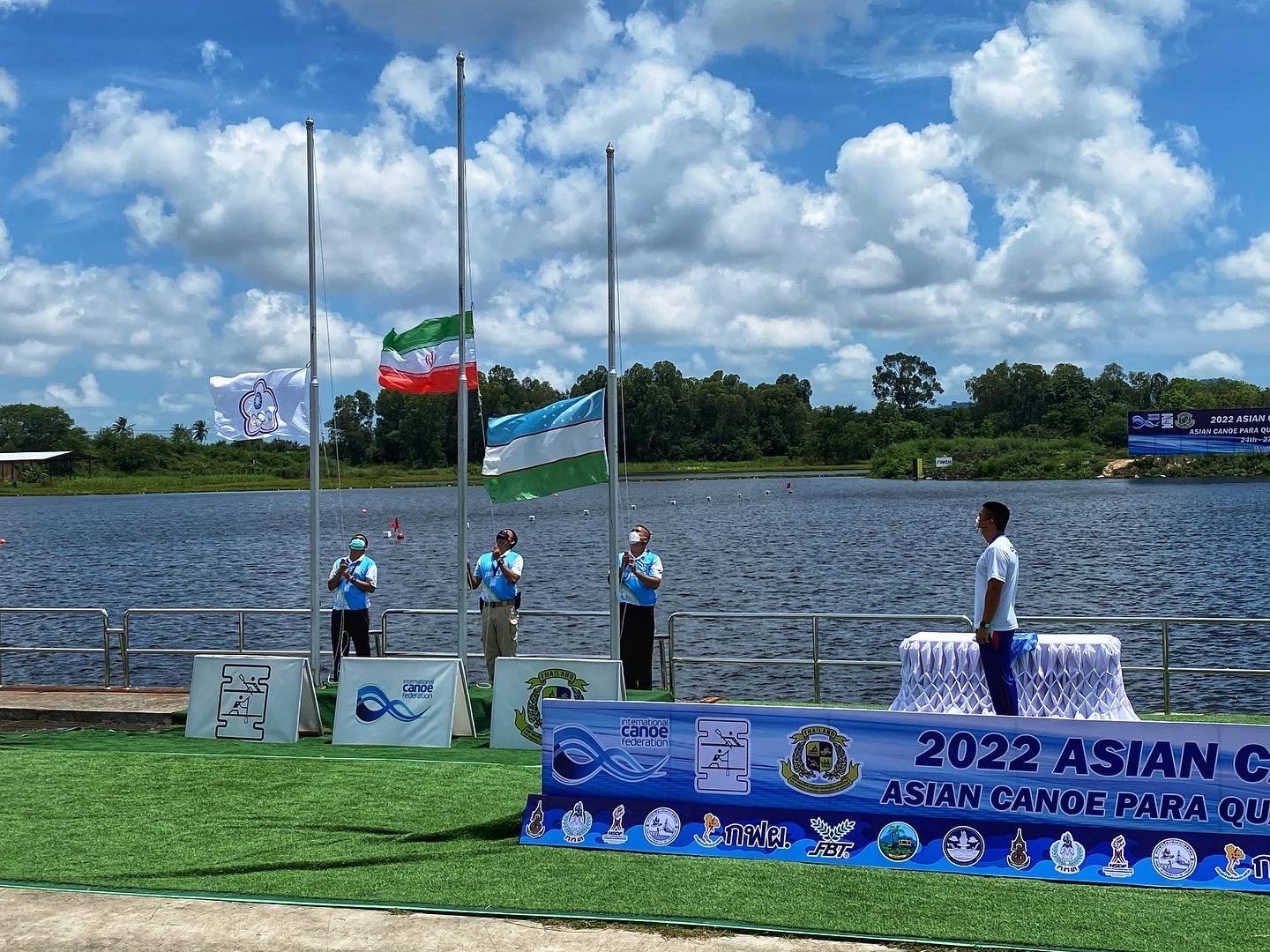
(Written by Eugene Lo, Photo courtesy of Lai Kuan-Chieh)

Unistar
Unistar is a premier specialist in dye-sublimation jerseys and custom teamwear in Asia. With over a decade of apparel manufacturing expertise, we specialize in high-end Japanese EPSON digital printing technology and performance fabric R&D. From school club kits and corporate apparel to professional league uniforms, we are committed to providing "one-stop" professional design and in-house production services, ensuring every garment delivers vibrant colors and peak moisture-wicking performance.


Article Classification
Recent Articles
- Coaches Must Keep Learning Even More Than Their Students|Interview with Chiu Wei-Jung, Track and Field Coach of Datong High School, Taipei
- On this boat, there’s no you or me—only us.|Lewis Lin, Founder of Seeker Dragon Boat Club
- How Seung-Ahn Lee turned his life around and helped American Dodgeball take root in Taiwan
- 6 Practical Tips to Avoid Stepping on Thunder, You Can Be a Master of Dressing Too!
- 2026 Guide to the Best Social Sports: What’s the Hype Behind Pickleball, HYROX, Running Crews, and Dodgeball?