
 0
0


- Home
- UNI-MAGAZINE
- Sports Culture
- East Power Volleyball Club Ignites Passion for the Game from the Ground Up
East Power Volleyball Club Ignites Passion for the Game from the Ground Up
Beyond school or representative teams, where else can you play volleyball? For those eager to improve or simply stay in the game, joining a club might be the perfect next step, and East Power Volleyball Club offers just that.
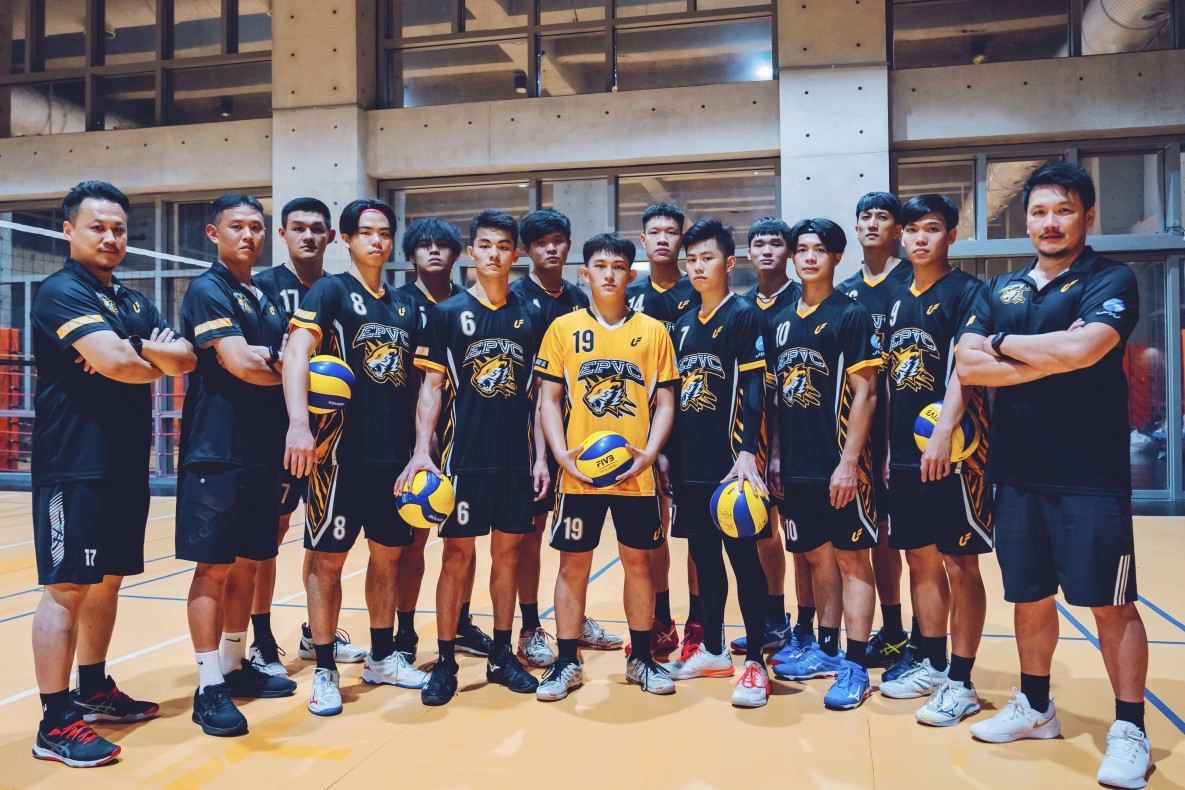
Founded in 2021, East Power Volleyball Club is led by head coach Lee Kuo-Yuan, whose decades of coaching experience, spanning Taiwan’s national men’s team, the Taipei National Games, and Dongfang Vocational High School, lay a strong foundation for the club’s development. Backed by a team of certified A- and B-level national coaches who are also active players, EPVC operates across three main pillars: competitive training, coaching education, and community engagement. The club currently features 15 athletes and continues to grow.
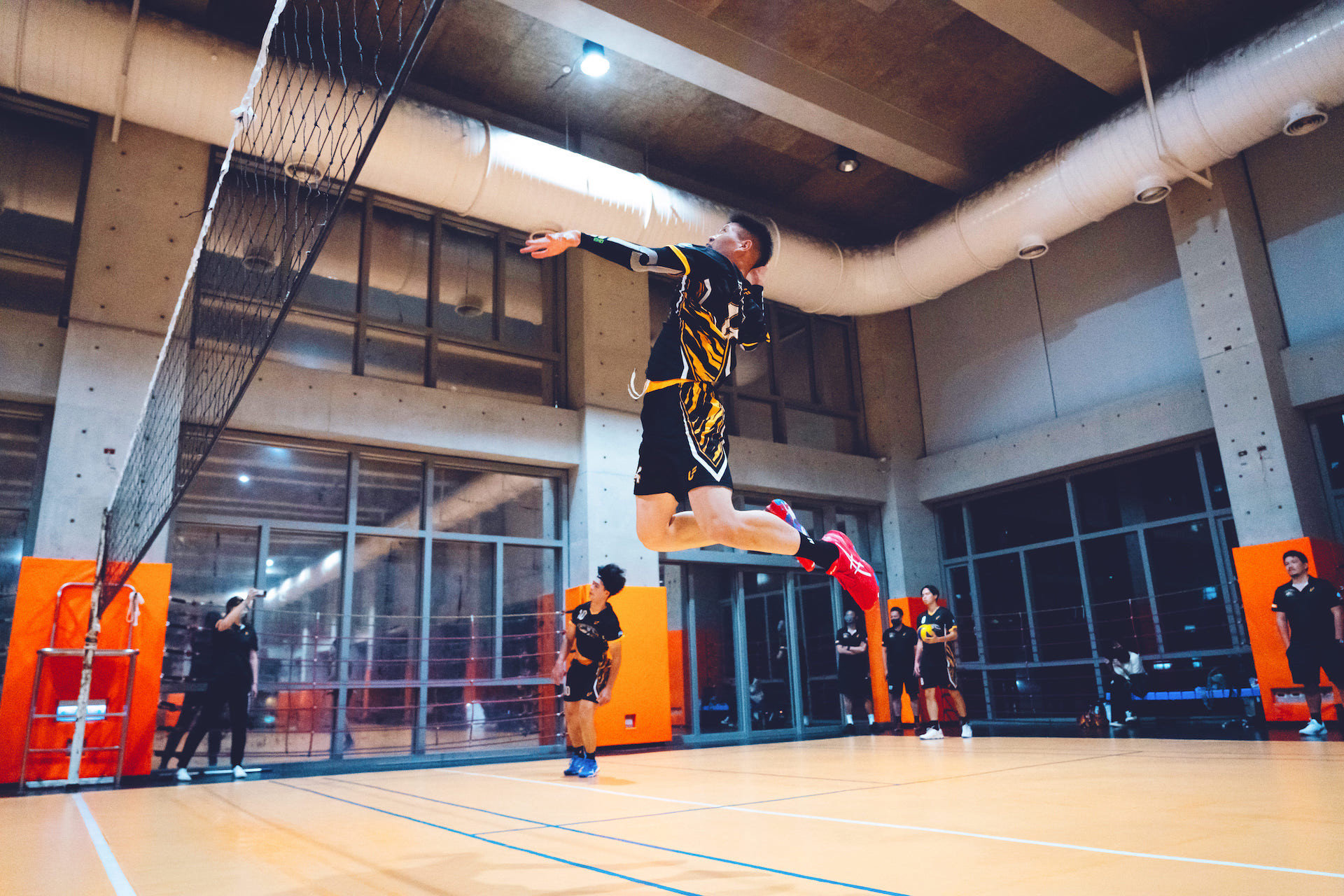
While volleyball participation is healthy at the high school and college levels in Taiwan, many players face a sharp decline in opportunities after graduation. Although the 2022 Corporate Volleyball League featured a record number of teams (six men’s and five women’s), professionalization is still in its early stages. Many athletes look overseas to continue their careers, a trend that represents both a loss of talent and a challenge for national athlete development.
EPVC not only promotes volleyball at the grassroots level but also offers active players a platform to shine. With the growing conversation around post-retirement pathways for athletes, East Power believes that career development should start during a player's active years. This way, athletes can leverage their expertise while contributing meaningfully to the broader sports ecosystem.
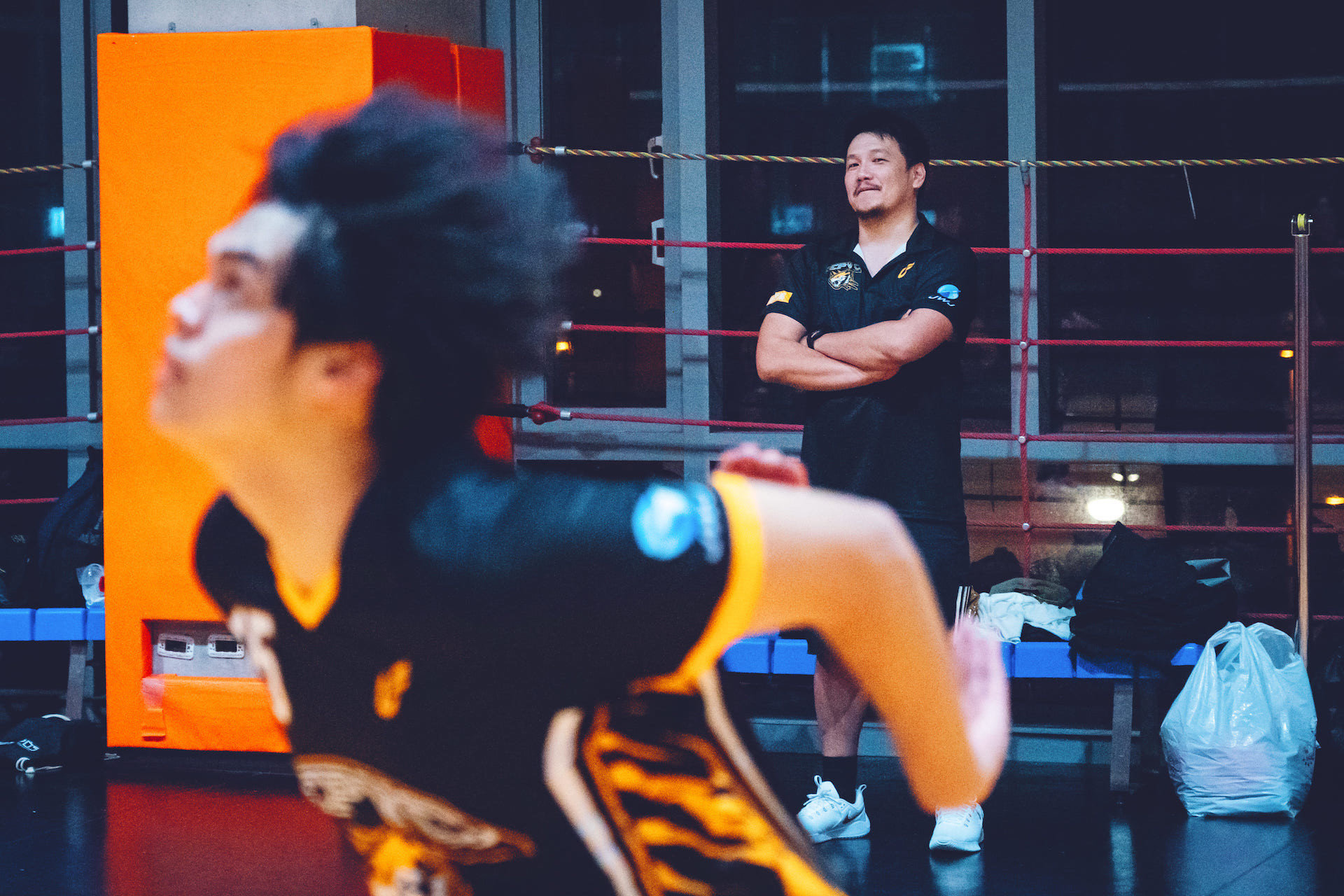
Despite being a young club, EPVC offers a structured, science-based training program. Coach Lee combines his extensive court experience with his background in sports science (he holds a master’s degree in the field) to develop his training methodology. The coaching team includes elite players like Chiuan Jia-Kai and Chen Kuan-Ming, ensuring that classes are grounded in current playing realities.
One of EPVC’s standout features is its accessibility. Volleyball is traditionally seen as a team sport requiring multiple players, but Lee’s system allows individuals to train alone with just one ball and some space.
It’s a flexible, scalable approach that proved especially effective during the pandemic. “I began designing this kind of training when I coached at Dongfang High School,” says Lee. “The goal was to make warm-ups more engaging and to improve players’ footwork, arm swing, and jump timing, ultimately helping them develop a better connection with the ball.”
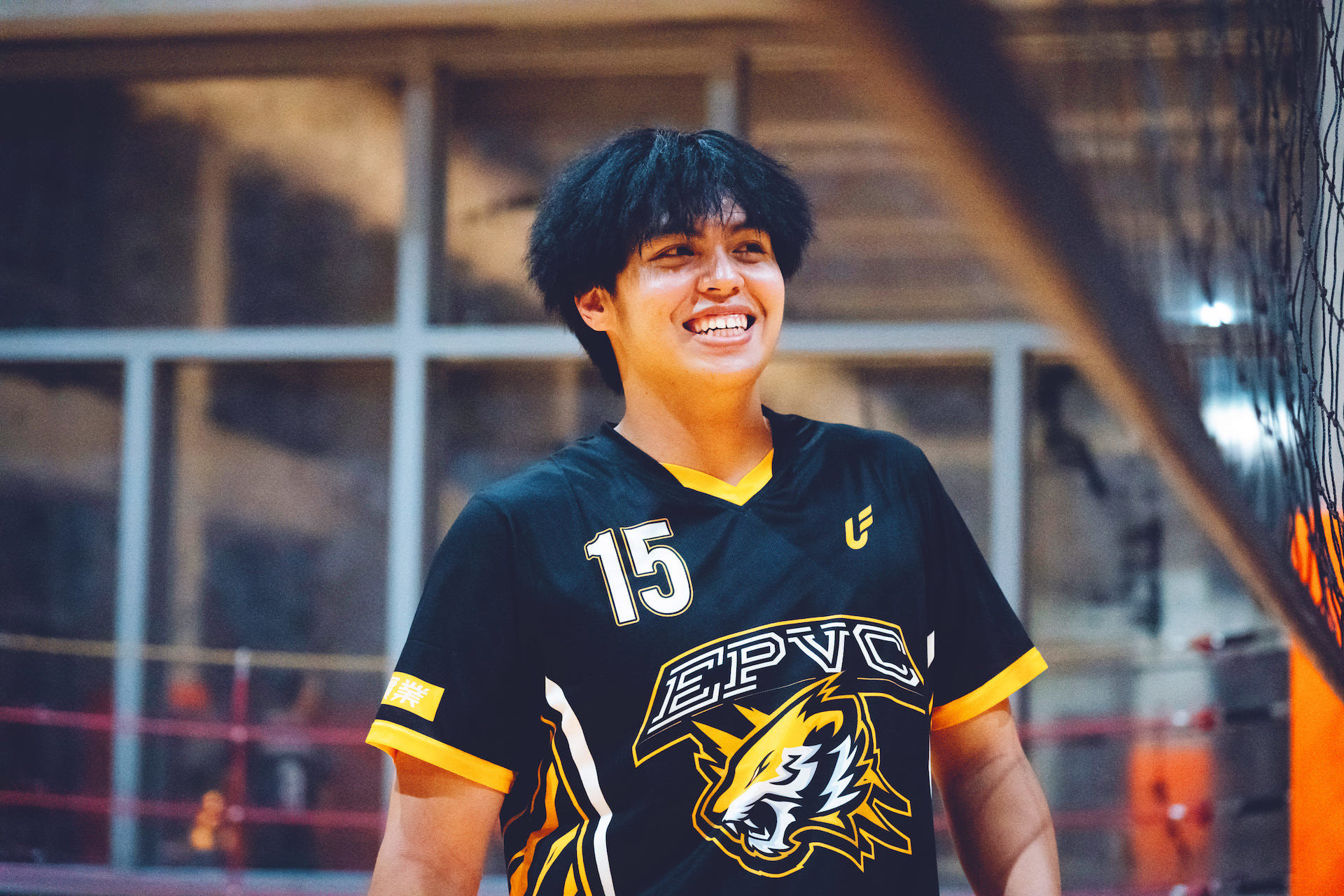
These drills evolve in complexity as players improve, but the core philosophy remains: make volleyball accessible and enjoyable for everyone. Lee emphasizes that “post-movement ball control is a critical skill in competitive play,” and the EPVC training model helps athletes master it efficiently.
Volleyball places intense strain on joints, especially the knees. With this in mind, EPVC incorporates sports science principles into every session. Echoing insights shared by leading sports scientist Hsiang Tuz-Yuan, who advocates for injury prevention in youth training, Coach Lee designs programs that balance muscle groups, reducing injury risk. “For example,” he says, “it’s not enough to train the quadriceps, you also need to work the hamstrings. Neglecting them can lead to patellar tendon injuries. I make sure our players graduate healthy, not broken.”
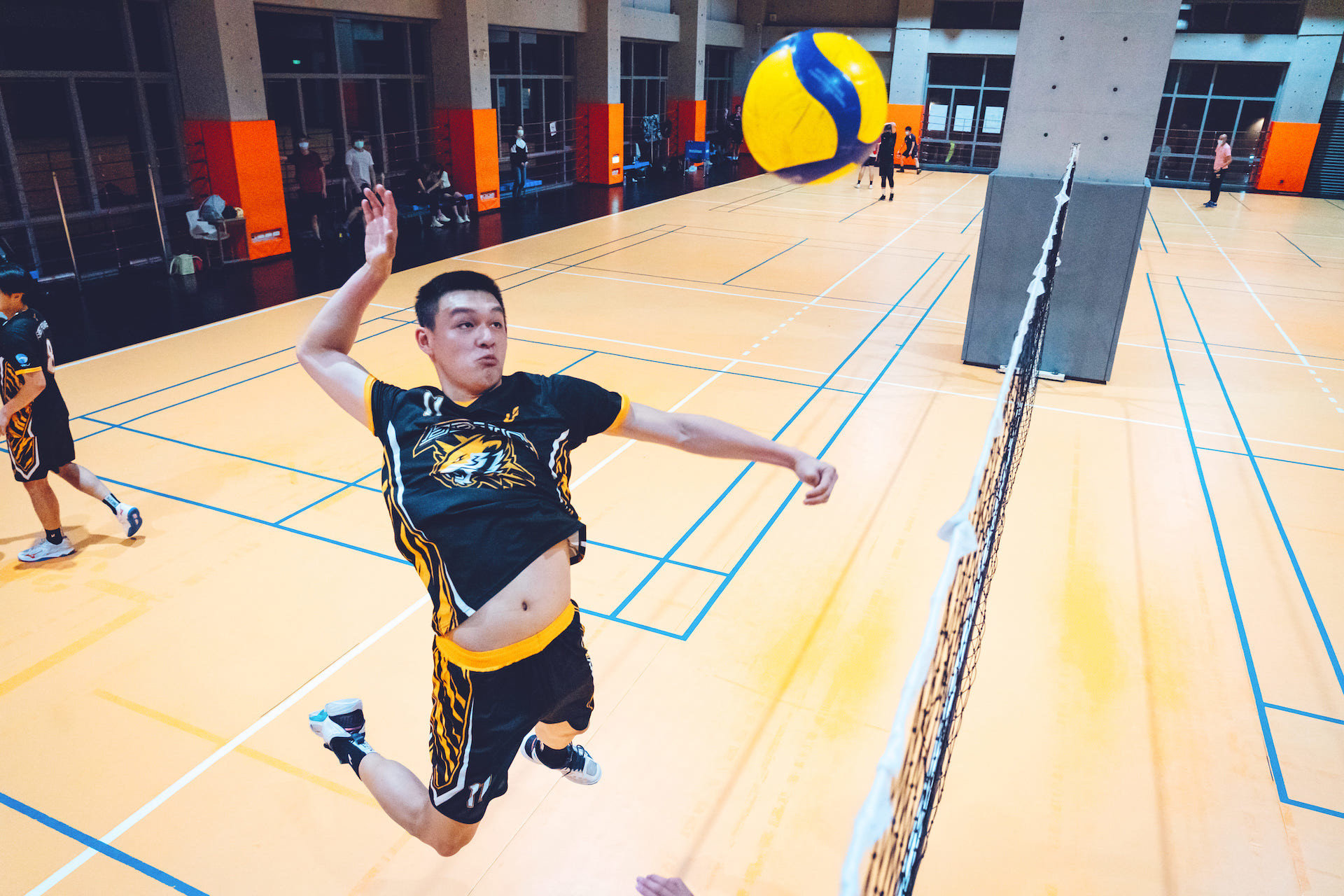
While elite volleyball favors height, wingspan, and vertical jump, EPVC welcomes all skill levels. Many join simply to stay active. “Our sessions include aerobic elements that burn fat and improve cardiovascular health,” says Coach Lee. “It’s great for modern lifestyles.” Beyond fitness, EPVC nurtures community spirit. “Volleyball is a team sport,” Lee continues. “It fosters communication, teamwork, and camaraderie. Everyone works together toward the same goal to win a match. For working adults, that kind of experience is incredibly rewarding.”
Taiwan last won a volleyball medal at the 1988 Bangkok Asian Games and spent over a decade out of the international spotlight. But milestones like the 2015 Asian Men’s Club Championship victory showed that progress is possible and inspiring. Across Taiwan, passionate individuals are pushing their sports forward. As many athletes have said, sports only grow when people with passion give back.This is exactly what East Power Volleyball Club is doing. They’ve created a space where anyone who wants to play can play, aspiring pros can chase competitive dreams, and those eager to learn can be taught by experts.The goal isn’t just producing champions, but building a lasting, local volleyball culture, one that thrives from the ground up.

Unistar
Unistar is a premier specialist in dye-sublimation jerseys and custom teamwear in Asia. With over a decade of apparel manufacturing expertise, we specialize in high-end Japanese EPSON digital printing technology and performance fabric R&D. From school club kits and corporate apparel to professional league uniforms, we are committed to providing "one-stop" professional design and in-house production services, ensuring every garment delivers vibrant colors and peak moisture-wicking performance.


Article Classification
Recent Articles
- Coaches Must Keep Learning Even More Than Their Students|Interview with Chiu Wei-Jung, Track and Field Coach of Datong High School, Taipei
- On this boat, there’s no you or me—only us.|Lewis Lin, Founder of Seeker Dragon Boat Club
- How Seung-Ahn Lee turned his life around and helped American Dodgeball take root in Taiwan
- 6 Practical Tips to Avoid Stepping on Thunder, You Can Be a Master of Dressing Too!
- 2026 Guide to the Best Social Sports: What’s the Hype Behind Pickleball, HYROX, Running Crews, and Dodgeball?